Today In History logo TIH
Cleopatra

Historical Figure

Cleopatra

d. 30 BC

Pharaoh of Egypt from 51 to 30 BC

Classical

Character Profile

The Correction

Cleopatra

Cleopatra wasn’t Egyptian. She was Macedonian Greek — descended from Ptolemy, one of Alexander the Great’s generals. She was the first in her dynasty, in 300 years, to bother learning Egyptian. She also spoke Ethiopian, Hebrew, Aramean, Arabic, Median, Parthian, and Latin. Nine languages total, according to Plutarch. Most of the Roman senators who dismissed her as a seductress spoke two.

Talk to Cleopatra and the first thing you’ll notice isn’t charm. It’s precision. She doesn’t seduce — she negotiates. Every compliment has a clause. Every question is a flanking maneuver. She ruled Egypt for 21 years through three Roman civil wars, not by being beautiful, but by being the smartest person in every room she entered and making sure the second-smartest person knew it.

Caesar saw it first. When she had herself smuggled into his quarters rolled in a sack of linen — the most-repeated anecdote about her, the proof everyone cites of her theatricality — she wasn’t making a romantic gesture. She was ducking her brother Ptolemy XIII’s checkpoints in Alexandria because her own palace was a kill zone. The story survived because it was audacious. The point of the story is that she knew exactly which palace guards Caesar would be behind and walked into the one room in Egypt where her assassins couldn’t follow.

Mark Antony was a harder sell. She didn’t try. She invited him to her barge at Tarsus, dressed as Aphrodite, and simply outspent him. By the time Antony realized how much of Egypt’s grain was at stake in whether he stayed with her, he’d already picked the side of the argument she wanted him on.

What the cultural record calls her “seduction” is the cover story a losing civilization tells itself. Rome needed Cleopatra to be a temptress because the alternative — that she beat their best politicians at their own game using tools they’d never considered — was intolerable. Octavian understood this. When he captured Alexandria, he didn’t kill her; he planned to parade her through Rome as a trophy. She chose the asp instead. One last decision in a life of them.

If you talk to her, don’t ask about Antony. Ask about grain yields. Ask about the Library. Ask what she was reading the night Caesar was stabbed. She’ll tell you exactly what chapter she was on — and why it mattered more than the news from Rome.


Three questions to start with:

  • You spoke seven languages including Egyptian, the first Ptolemy in 300 years to bother. Which one was your private language?
  • Caesar first, then Antony. Looking back, which relationship was more strategic and which was more true?
  • Octavian offered you a way out. You picked the asp. Walk me through the hour before.

Talk to Cleopatra

Have a conversation with this historical figure through AI

Biography

Cleopatra VII Thea Philopator was Queen of the Ptolemaic Kingdom from 51 to 30 BC and the last active pharaoh of ancient Egypt. A member of the Ptolemaic dynasty, she was a descendant of its founder Ptolemy I Soter, a Macedonian Greek general and companion of Alexander the Great. Her first language was Koine Greek, and she is the only Ptolemaic ruler known to have learned the Egyptian language, among several others. After her death, Egypt became a province of the Roman Empire, marking the end of the Hellenistic period in the Mediterranean, which had begun during the reign of Alexander.

Read more on Wikipedia

Timeline

The story of Cleopatra, told in moments.

69 BC Birth

Born Cleopatra VII Thea Philopator in Alexandria, Egypt. Daughter of Ptolemy XII. Her family has ruled Egypt for 250 years since Alexander the Great's general Ptolemy took power. They are Macedonian Greek. Cleopatra is the first of her dynasty to learn Egyptian.

48 BC Life

Smuggled into Caesar's quarters rolled in a linen sack (not a carpet, despite the legend). She is 21. Caesar is 52. Egypt is in civil war between Cleopatra and her brother Ptolemy XIII. Caesar sides with Cleopatra. Ptolemy drowns in the Nile during the battle that follows.

47 BC Event

Caesar burns part of the Library of Alexandria during the Alexandrian War. She watches from the palace. Some ancient sources say it is the harbor warehouses that burn, not the library itself. The exact damage is still debated two thousand years later. Cleopatra later replenishes the library with 200,000 scrolls taken from Pergamum.

44 BC Event

After Caesar's assassination in Rome, she names her three-year-old son Caesarion co-ruler as Ptolemy XV. The boy is Caesar's biological child. She returns to Egypt from Rome, where she'd been living in one of Caesar's villas across the Tiber.

41 BC Life

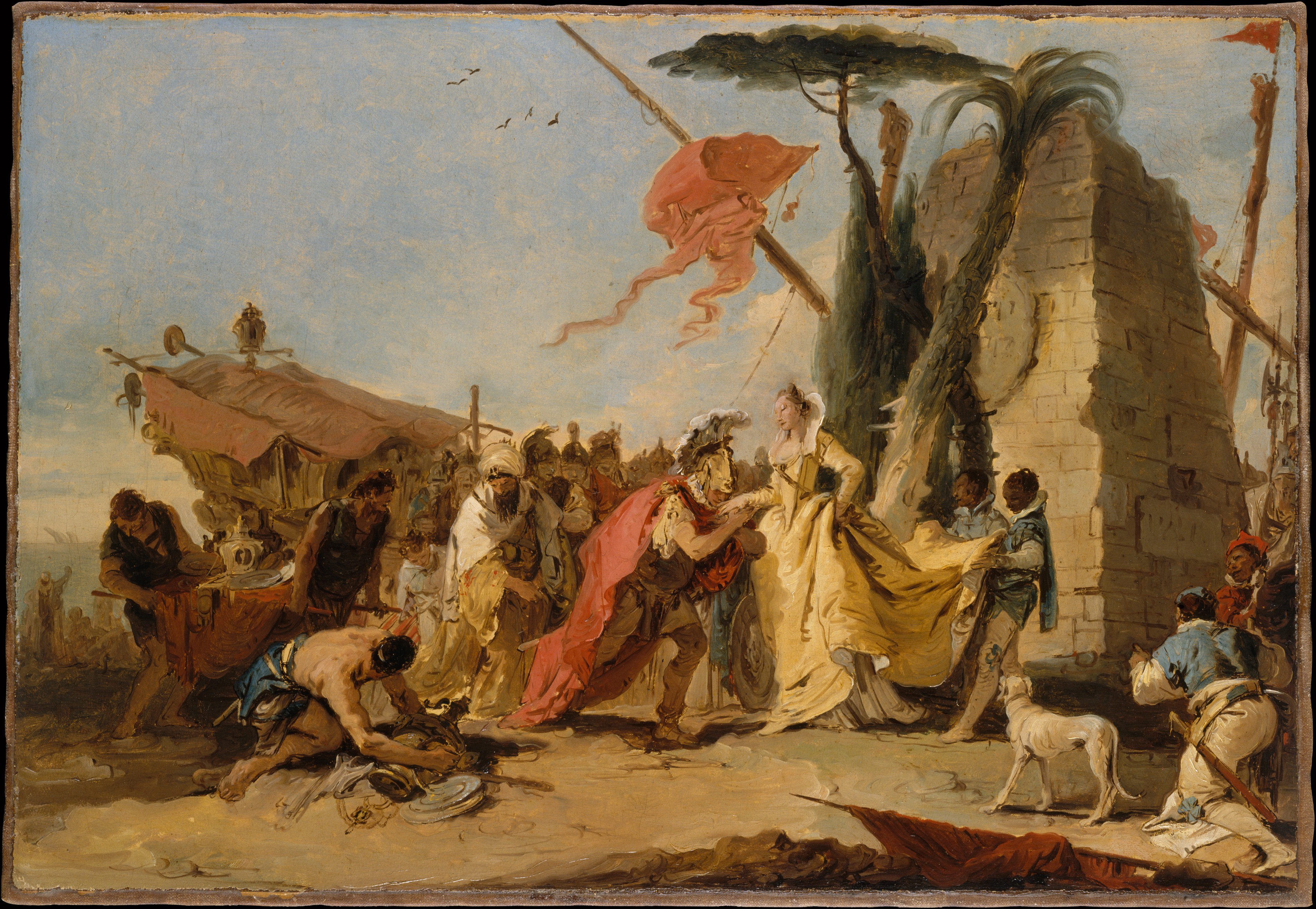
Meets Mark Antony at Tarsus. She sails up the river on a golden barge with purple sails, silver oars, and the scent of incense drifting across the water. Plutarch says the people on shore thought the goddess Aphrodite had come to feast with Dionysus. Antony is captivated. They have three children together.

34 BC Event

The Donations of Alexandria. Antony publicly grants Roman territories to Cleopatra and her children. Caesarion is declared King of Kings. Cleopatra is named Queen of Kings. Rome is furious. Octavian reads Antony's will to the Senate. It names Alexandria, not Rome, as his final resting place.

31 BC Event

Her fleet and Antony's are destroyed at the Battle of Actium off western Greece. Octavian's admiral Agrippa traps them in the gulf. Cleopatra breaks through with 60 ships. Antony abandons his fleet to follow her. The battle costs them Egypt.

30 BC Death

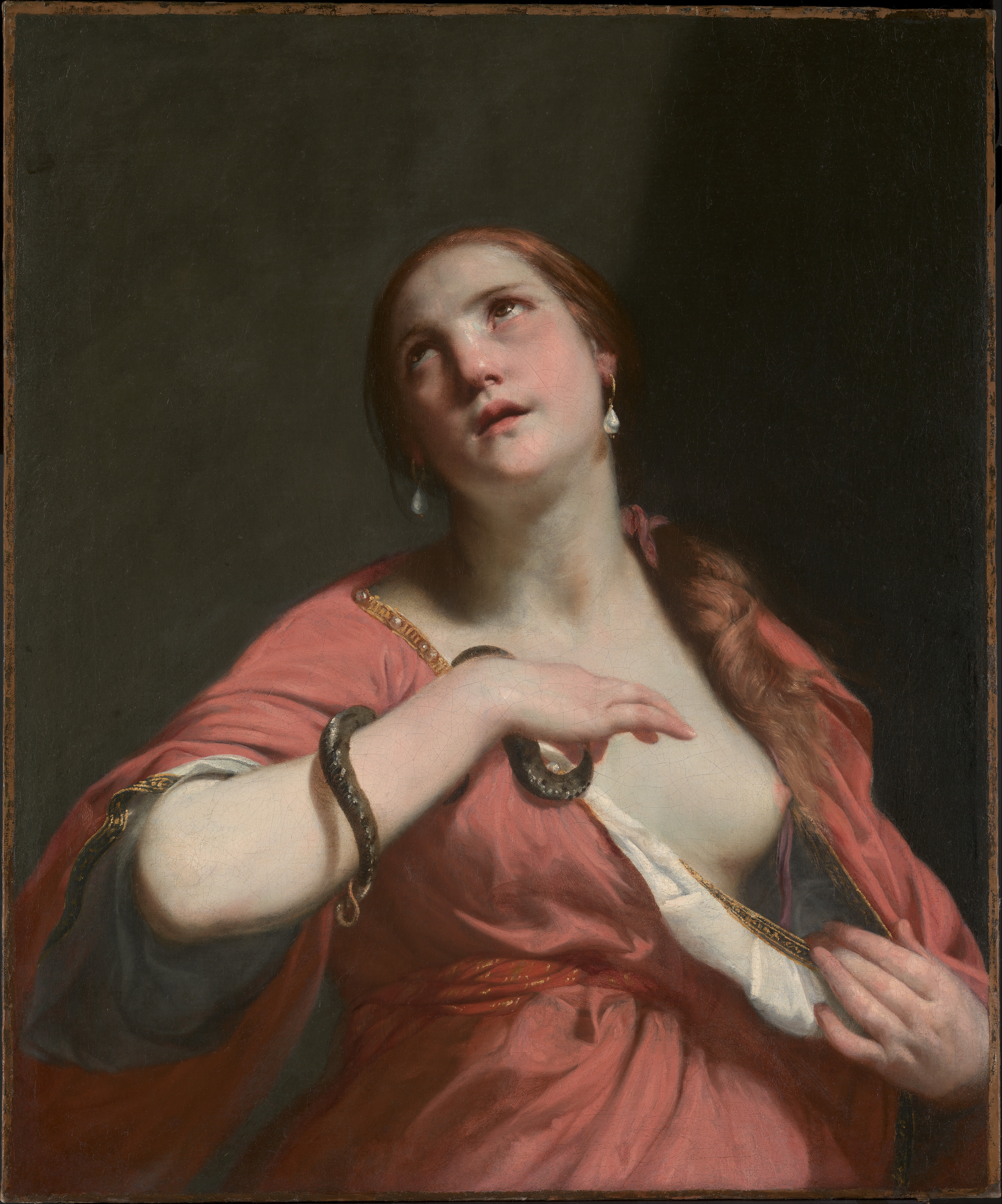
Dies in Alexandria at 39. The ancient sources say she poisoned herself, possibly by snakebite. Plutarch describes an asp hidden in a basket of figs. Modern scholars doubt this. What is certain: she refused to be paraded through Rome in Octavian's triumph. Her children by Antony are taken to Rome and raised by Antony's former wife. Caesarion is executed.

30 BC Legacy

With her death, the Ptolemaic dynasty ends. Egypt becomes a Roman province, the personal property of Octavian. The Hellenistic age, which began with Alexander's conquests 300 years earlier, is over. Rome now controls the entire Mediterranean world.

In Their Own Words (5)

Artifacts (15)

Cleopatra's Needle

20 · Drawing
europeana View

Cleopatra's Needle

20 · Print
europeana View

Tetradrachm (Coin) Portraying Queen Cleopatra VII

Ancient Roman

37-33 BCE, issued by Mark Antony · Silver
aic View

Denarius (Coin) Portraying Mark Antony and Queen Cleopatra VII

Ancient Roman

37-33 BCE, issued by Mark Antony · Silver
aic View

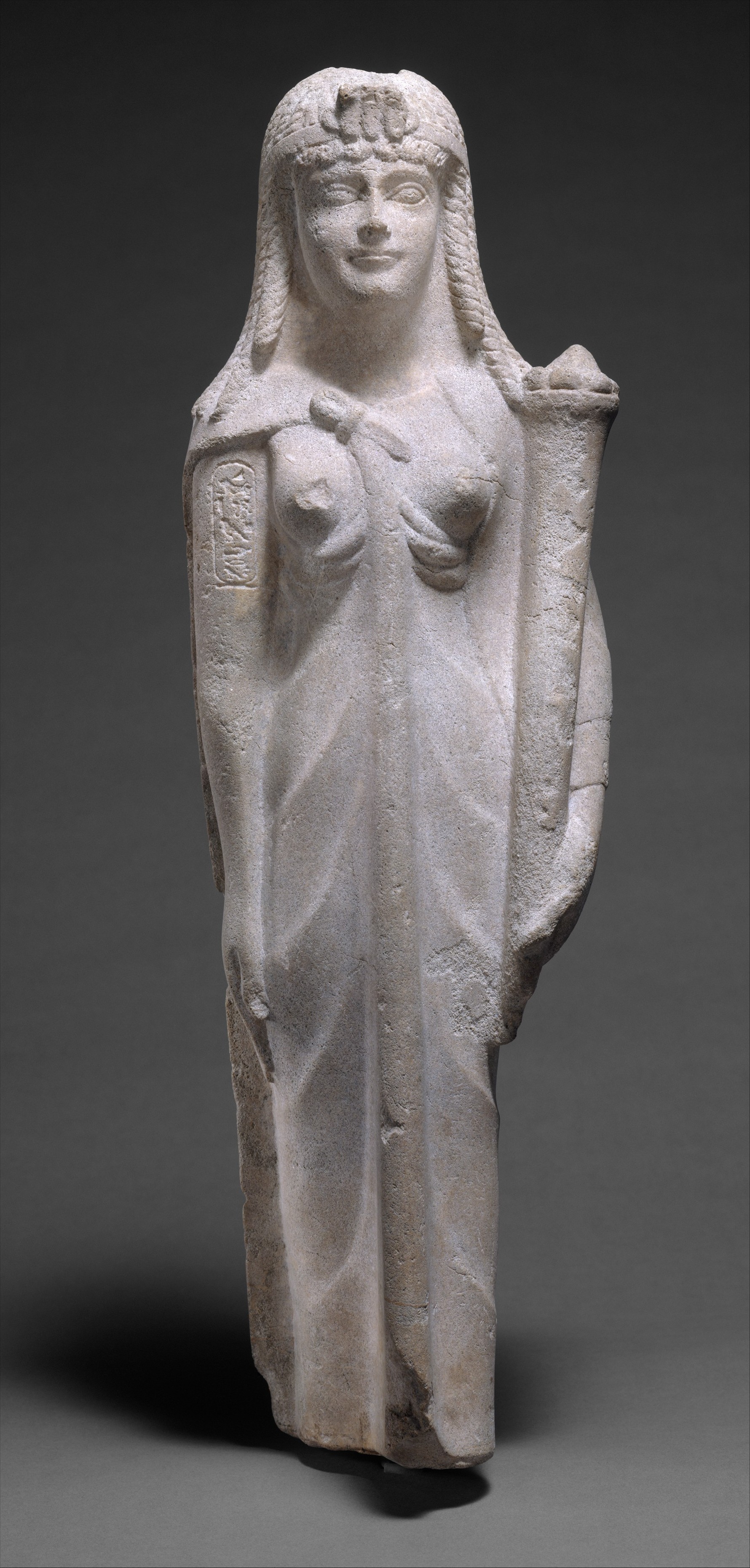
Statue of a Ptolemaic Queen, perhaps Cleopatra VII

200–30 B.C. · Dolomitic limestone
The Met View

The Death of Cleopatra

Guido Cagnacci

ca. 1645–55 · Oil on canvas
The Met View

The Meeting of Antony and Cleopatra

Giovanni Battista Tiepolo

ca. 1745–47 · Oil on canvas
The Met View

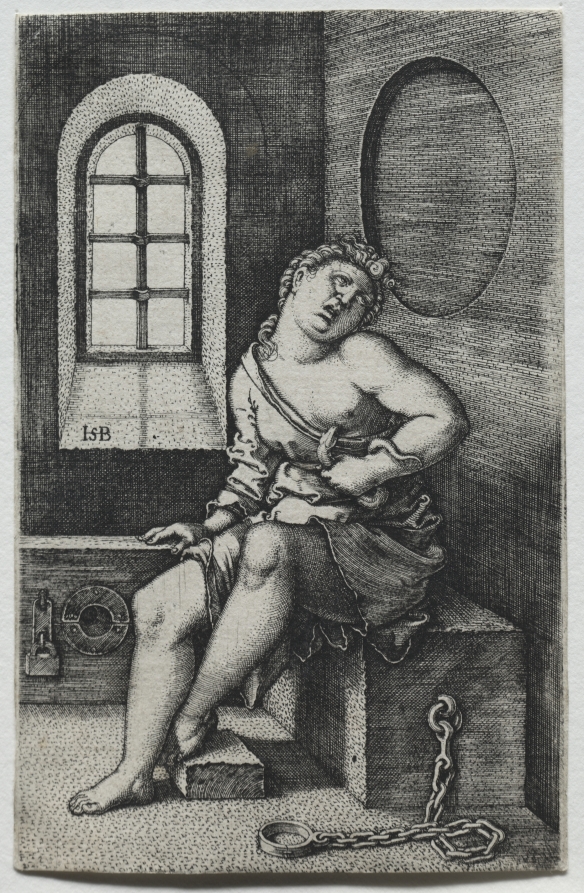
Cleopatra

Hans Sebald Beham (German, 1500–1550)

engraving
cma View

Cleopatra

Paolo Veronese

europeana View

'Cleopatra' (1779)

Technical drawing
europeana View

Cleopatra's Needle

Drawing
europeana View

Cleopatra's Needle

Drawing
europeana View

Cleopatra

Munich, Bavarian State Library -- P.o.gall. 405

1697

Antony And Cleopatra

Revised from the last Editions

1786

Cleopatra

Bilder aus dem Alterthume

1864

More from the Classical

Explore what happened on the days that shaped Cleopatra's life. Today In History connects historical figures with the events, births, and deaths that defined their era. Browse all historical figures or explore today's events.