Khmer Rouge Apologizes: A Century of Blood
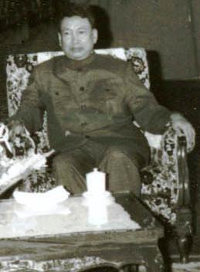
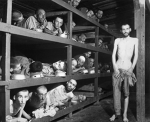
Khieu Samphan and Nuon Chea, the two most senior surviving leaders of the Khmer Rouge, issued a public apology on December 29, 1998, for the regime that killed an estimated 1.7 to 2.5 million Cambodians between 1975 and 1979. "We are sorry, very sorry," Khieu Samphan told reporters in the northern stronghold of Pailin, where the former Khmer Rouge leaders had been living comfortably after defecting to the Cambodian government. The apology was widely condemned as hollow, self-serving, and decades too late. The Khmer Rouge, led by Pol Pot under the revolutionary name Brother Number One, had seized Phnom Penh on April 17, 1975, and immediately emptied the city at gunpoint, forcing its two million residents into the countryside to serve as agricultural laborers in what the regime called Year Zero. Currency was abolished, schools closed, religion forbidden, and anyone with an education or even eyeglasses was subject to execution. The Tuol Sleng interrogation center processed over 14,000 prisoners; seven survived. Vietnam invaded Cambodia in December 1978 and toppled the Khmer Rouge in January 1979, but the regime retreated to jungle strongholds along the Thai border and continued fighting for nearly two decades. Western nations supported the Khmer Rouge UN seat claim throughout the 1980s as Cold War opposition to Vietnam. The movement fragmented through the 1990s as factions defected in exchange for amnesty. The 1998 apology came as the remnants of the movement were negotiating their final surrender. Pol Pot had died in his jungle camp in April 1998, never facing justice. The UN-backed tribunal did not begin trials until 2006. Nuon Chea and Khieu Samphan were convicted of genocide in 2018 and sentenced to life. The tribunal cost over $300 million, took more than a decade, and convicted only three people for one of the century worst atrocities.
December 29, 1998
28 years ago
Key Figures & Places
What Else Happened on December 29
Four knights walked into Canterbury Cathedral on the evening of December 29, 1170, found Archbishop Thomas Becket at vespers, and hacked him to death with their…
The Ming Dynasty began its final retreat from Hanoi, ending two decades of Chinese occupation in Đại Việt. This withdrawal restored Vietnamese independence unde…
Gonzalo Fernández de Córdoba's Spanish forces crushed the French army at the Garigliano River, ending France's control over southern Italy. This decisive defeat…
Portuguese forces under Francisco de Almeida razed the wealthy trading port of Dabul, slaughtering its inhabitants and burning the city to the ground. This brut…
Pocahontas throws herself between the clubs of Powhatan's warriors and a bound John Smith, halting an execution that would have ended English colonization in Vi…
Three thousand British troops hit Savannah's south side at dawn. The city's 700 defenders—mostly militia who'd never seen combat—broke and ran within an hour. L…
Talk to History
Have a conversation with historical figures who witnessed this era. Ask questions, explore perspectives, and bring history to life.