

Thomas Becket Murdered in Canterbury Cathedral: The Archbishop's Martyrdom
Followers of King Henry II slashed Archbishop Thomas Becket to death within Canterbury Cathedral, instantly transforming him from a political rival into a revered saint and martyr for both the Anglican and Roman Catholic Churches. This brutal act shattered the king's authority over the church, compelling Henry II to perform public penance and permanently altering the balance of power between English monarchy and ecclesiastical leadership.
December 29, 1170
856 years ago
Key Figures & Places
Roman Catholic Church
Wikipedia
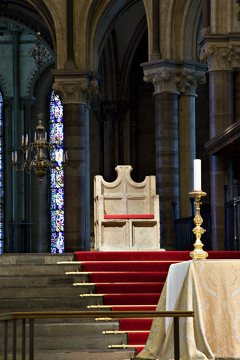
Anglican Church
Wikipedia
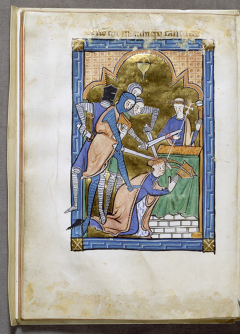
Thomas Becket
Wikipedia

Thomas Becket
Wikipedia

Archbishop of Canterbury
Wikipedia

Canterbury Cathedral
Wikipedia

Henry II of England
Wikipedia
Anglican Communion
Wikipedia

Catholic Church
Wikipedia

1170
Wikipedia
Canterbury
Wikipedia

Anglo-Norman
Wikipedia

1118
Wikipedia

Assassination
Wikipedia
What Else Happened on December 29
en Roma, Bonifacio I es elegido papa.
Entra em vigor Codex repetitae praelectionis, uma atualização do Digesto.
Witerico, rey de la España visigoda, usurpa el poder tras encabezar una revuelta de nobles.
le roi franc Charles "le Chauve", l'un des petits-fils de Charlemagne et fils de Louis Ier le Pieux, est à son tour couronné Empereur d'Occident par le pape Jea…
Nach 53 Jahren Bauzeit wird der von Heinrich dem Löwen gestiftete Braunschweiger Dom St. Blasii fertiggestellt.
en la actual Santa Pola (España), el soldado ilicitano Francesc Cantó, que hacía guardia en la playa del Tamarit ve en el mar una caja cerrada que llevaba escri…
Talk to History
Have a conversation with historical figures who witnessed this era. Ask questions, explore perspectives, and bring history to life.