

Havel Elected President: Czechoslovakia Goes Free
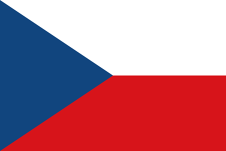
Six weeks after leading a revolution from a theater balcony, dissident playwright Vaclav Havel was unanimously elected president of Czechoslovakia by the same parliament that had served the Communist regime for decades. The vote on December 29, 1989, completed the most peaceful political transformation in modern European history. Havel, who had spent nearly five years in Communist prisons for his writings and activism, became the first non-Communist head of state in Czechoslovakia since the 1948 coup. The Velvet Revolution had begun on November 17 when police brutally dispersed a peaceful student demonstration in Prague, beating hundreds of young people and reportedly killing one, though the death report later proved false. The response was explosive. Within days, hundreds of thousands of Czechs and Slovaks filled Wenceslas Square, jangling their keys in the air as a signal that the regime time was up. Havel, who had spent years building a network of dissidents through his Charter 77 movement, emerged as the natural leader of the opposition Civic Forum. The Communist government crumbled with astonishing speed. Prime Minister Ladislav Adamec resigned on December 7. A new government with a non-Communist majority took power on December 10. Alexander Dubcek, the reformist leader crushed by Soviet tanks in 1968, was elected chairman of parliament. Havel, who weeks earlier had been a political prisoner, was the consensus choice for president. His election was endorsed by the departing Communist deputies themselves, many of whom voted for him out of genuine respect for his moral authority. Havel guided Czechoslovakia through its peaceful dissolution into the Czech Republic and Slovakia in 1993, oversaw NATO integration, and laid groundwork for EU membership. He served as Czech president until 2003 and died in 2011, mourned globally as one of the few leaders of the twentieth century who exercised power without being corrupted by it.
December 29, 1989
37 years ago
Key Figures & Places

What Else Happened on December 29

Four knights walked into Canterbury Cathedral on the evening of December 29, 1170, found Archbishop Thomas Becket at vespers, and hacked him to death with their…
The Ming Dynasty began its final retreat from Hanoi, ending two decades of Chinese occupation in Đại Việt. This withdrawal restored Vietnamese independence unde…
Gonzalo Fernández de Córdoba's Spanish forces crushed the French army at the Garigliano River, ending France's control over southern Italy. This decisive defeat…
Portuguese forces under Francisco de Almeida razed the wealthy trading port of Dabul, slaughtering its inhabitants and burning the city to the ground. This brut…
Pocahontas throws herself between the clubs of Powhatan's warriors and a bound John Smith, halting an execution that would have ended English colonization in Vi…
Three thousand British troops hit Savannah's south side at dawn. The city's 700 defenders—mostly militia who'd never seen combat—broke and ran within an hour. L…
Talk to History
Have a conversation with historical figures who witnessed this era. Ask questions, explore perspectives, and bring history to life.