

Al Gore Concedes to Bush: The 2000 Election Finally Ends
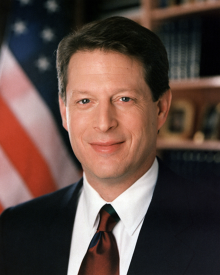
Gore stood at the podium for four minutes and twelve seconds. Thirty-six days after election night, after Florida recounts and Supreme Court arguments, after leading the popular vote by 543,895 votes, he ended it. "Just moments ago, I spoke with George W. Bush and congratulated him." The Court had ruled 5-4 to stop the recount with Bush ahead by 537 Florida votes—one vote per precinct. Gore urged unity, quoted his father on bitter defeats, never mentioned the popular vote margin. And that was it. The closest presidential race in 124 years decided by 0.009% in one state. Democracy held. But hanging chads, butterfly ballots, and "Brooks Brothers riot" entered the permanent vocabulary of American elections gone sideways.
December 13, 2000
26 years ago
Key Figures & Places
What Else Happened on December 13
Johannes VIII. wird als Nachfolger von Hadrian II. zum Papst gewählt.
Robert Guiscard's forces force Salerno's surrender, shattering Norman control over southern Italy and leaving only the citadel under Duke Gisulf's stubborn defe…

An 85-year-old hermit who lived in a cave, ate roots, and hadn't seen Rome in decades became Pope in July 1294. Pietro del Morrone never wanted it. Cardinals ch…
en Segovia, Isabel la Católica es proclamada reina de Castilla.
en Portugal, Juan II es nombrado rey tras la muerte de su padre Alfonso V "el Africano".
The last priest arrived three years late. Paul III called the council in 1542, but wars between France and the Holy Roman Empire kept delaying it. When bishops …
Talk to History
Have a conversation with historical figures who witnessed this era. Ask questions, explore perspectives, and bring history to life.