Jaruzelski Declares Martial Law: Poland Cracks Down
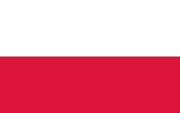
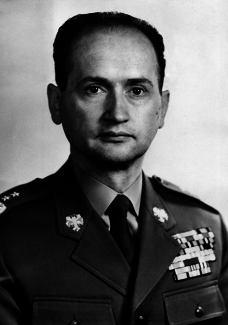
Tanks appeared on the streets of Warsaw before dawn. On December 13, 1981, General Wojciech Jaruzelski declared martial law across Poland, deploying 70,000 troops to crush the Solidarity trade union movement and preserve communist rule. Phone lines were cut, borders sealed, and thousands of opposition leaders arrested in their beds during a single coordinated overnight operation. Solidarity had emerged sixteen months earlier from a strike at the Lenin Shipyard in Gdansk, where electrician Lech Walesa climbed over the yard fence to join the workers and became the movement's charismatic leader. By late 1981, Solidarity had grown into a social force of ten million members, the first independent trade union in the Soviet bloc. The movement threatened not just Poland's communist government but the entire architecture of Soviet control in Eastern Europe. Jaruzelski later claimed he imposed martial law to prevent a Soviet military intervention, pointing to massive Red Army exercises on Poland's borders. Declassified documents suggest the Soviets were indeed prepared to invade if the Polish government lost control, though the question of whether Jaruzelski acted to save Poland or to save the Communist Party remains fiercely debated. The crackdown was swift and brutal. Internment camps held nearly 10,000 opposition activists. Security forces killed dozens of protesters, including nine miners shot dead at the Wujek Coal Mine on December 16. Independent media were shut down, a curfew imposed, and travel between cities banned. Martial law was formally lifted in July 1983, but restrictions persisted for years. Solidarity survived underground, sustained by the Catholic Church, Western support, and the determination of millions of ordinary Poles. When Jaruzelski finally agreed to roundtable negotiations in 1989, Solidarity won ninety-nine of one hundred Senate seats in semi-free elections, triggering the fall of communism across Eastern Europe.
December 13, 1981
45 years ago
Key Figures & Places
What Else Happened on December 13
Robert Guiscard's forces force Salerno's surrender, shattering Norman control over southern Italy and leaving only the citadel under Duke Gisulf's stubborn defe…
An 85-year-old hermit who lived in a cave, ate roots, and hadn't seen Rome in decades became Pope in July 1294. Pietro del Morrone never wanted it. Cardinals ch…
Catholic bishops and theologians convened in Trent to launch a sweeping institutional overhaul in response to the Protestant Reformation. By codifying core doct…
The last priest arrived three years late. Paul III called the council in 1542, but wars between France and the Holy Roman Empire kept delaying it. When bishops …
Sir Francis Drake departed Plymouth with five ships, initiating the second circumnavigation of the globe in history. By returning three years later with a hold …
Twelve men deciding guilt or innocence — the English brought it, but Plymouth made it stick first. Not in Jamestown, where martial law still ruled. Not in Massa…
Talk to History
Have a conversation with historical figures who witnessed this era. Ask questions, explore perspectives, and bring history to life.