

Nanjing Falls to Japan: Massacre Follows the Siege
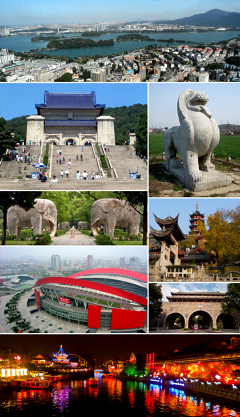
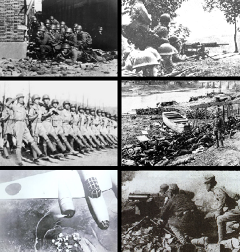
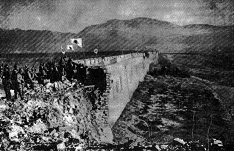
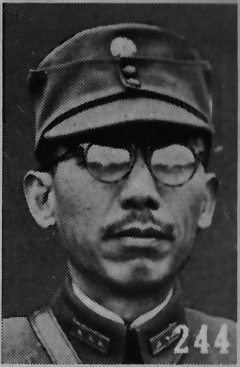
Japanese troops breached the walls of China's capital on December 13, 1937, beginning six weeks of mass murder, rape, and destruction that would become one of the most devastating atrocities of the twentieth century. The fall of Nanjing to Imperial Japanese forces triggered what is known as the Nanjing Massacre, or the Rape of Nanking, during which an estimated 200,000 to 300,000 Chinese civilians and disarmed soldiers were killed. The Battle of Shanghai had ended in November with a Chinese retreat, and Japanese forces pursued the routed National Revolutionary Army westward toward the capital. General Tang Shengzhi had been ordered to hold Nanjing at all costs, but his 100,000-strong garrison was undermanned, poorly supplied, and composed largely of demoralized troops. When Japanese forces surrounded the city and began their assault, organized resistance collapsed within days. Tang fled on December 12, leaving his troops without leadership or orders for evacuation. What followed was systematic violence on a scale that shocked even Nazi diplomats stationed in the city. Japanese soldiers carried out mass executions along the Yangtze River, bayoneting prisoners and burying others alive. Widespread rape targeted women of all ages. The city was looted and large sections burned. John Rabe, a German businessman and Nazi Party member, organized the Nanjing Safety Zone, a designated area that sheltered roughly 200,000 civilians from the worst of the killing. Foreign witnesses, including American missionaries and journalists, documented the atrocities and sent reports that reached the international press. Yet the full scale of the massacre remained disputed for decades, particularly in Japan, where nationalist factions have periodically attempted to minimize or deny the events. The Nanjing Massacre remains one of the most painful chapters in Chinese-Japanese relations and is commemorated annually at the Nanjing Massacre Memorial Hall, built on one of the mass grave sites.
December 13, 1937
89 years ago
Key Figures & Places


What Else Happened on December 13
Robert Guiscard's forces force Salerno's surrender, shattering Norman control over southern Italy and leaving only the citadel under Duke Gisulf's stubborn defe…
An 85-year-old hermit who lived in a cave, ate roots, and hadn't seen Rome in decades became Pope in July 1294. Pietro del Morrone never wanted it. Cardinals ch…
Catholic bishops and theologians convened in Trent to launch a sweeping institutional overhaul in response to the Protestant Reformation. By codifying core doct…
The last priest arrived three years late. Paul III called the council in 1542, but wars between France and the Holy Roman Empire kept delaying it. When bishops …
Sir Francis Drake departed Plymouth with five ships, initiating the second circumnavigation of the globe in history. By returning three years later with a hold …
Twelve men deciding guilt or innocence — the English brought it, but Plymouth made it stick first. Not in Jamestown, where martial law still ruled. Not in Massa…
Talk to History
Have a conversation with historical figures who witnessed this era. Ask questions, explore perspectives, and bring history to life.