

First Transatlantic Radio Signal Received: Marconi Hears Three Dots
Guglielmo Marconi catches a faint "S" in Morse code at Signal Hill, proving wireless telegraphy can span the Atlantic Ocean. This breakthrough instantly shatters the belief that communication requires physical cables, launching the era of global instant messaging and transforming maritime safety forever.
December 12, 1901
125 years ago
Key Figures & Places
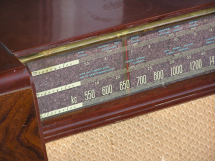
radio
Wikipedia
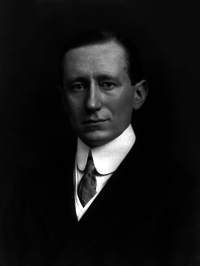
Guglielmo Marconi
Wikipedia

St John's, Newfoundland
Wikipedia

Signal Hill, Newfoundland and Labrador
Wikipedia
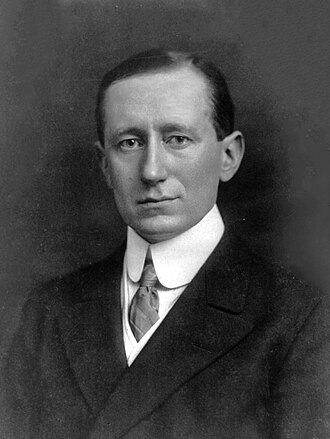
Guglielmo Marconi
Wikipedia

Signal Hill, St. John's
Wikipedia

St. John's, Newfoundland and Labrador
Wikipedia

Radio broadcasting
Wikipedia

Cornwall
Wikipedia

Newfoundland (island)
Wikipedia

Radio
Wikipedia
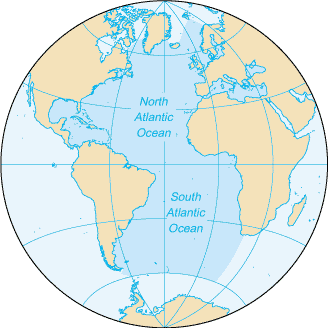
Atlantic Ocean
Wikipedia

Morse code
Wikipedia

Signal Hill
Wikipedia

Canada
Wikipedia

Radio receiver
Wikipedia
What Else Happened on December 12
Emperor Heraclius led the Byzantine army to a devastating victory over Sasanian Persia at Nineveh, personally fighting in the front ranks during an eleven-hour …
en León (actual España), Ordoño II es aclamado soberano por los principales magnates, obispos, abades y condes de León, reunidos en asamblea general, ungido por…
العزيز بالله يستلم الخلافة الفاطمية بعد وفاة المعز لدين الله.

Crusaders breach the walls of Ma'arrat al-Numan and slaughter roughly 20,000 inhabitants before turning to cannibalism amid severe starvation. This brutal episo…
en Maarat an-Numan (Siria), en el transcurso de la Primera Cruzada, tras dos semanas de sitio, los habitantes llegan a un acuerdo con los cruzados, de no ofrece…
élection du pape Alexandre IV.Notre-Dame de Guadalupe.
Talk to History
Have a conversation with historical figures who witnessed this era. Ask questions, explore perspectives, and bring history to life.