

Halifax Explosion: 1,900 Killed When Munitions Ship Blows Up
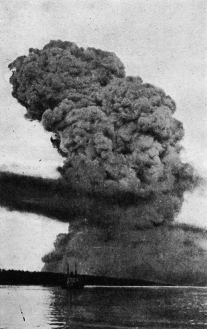
A Belgian relief ship loaded with 2,300 tons of picric acid, 200 tons of TNT, and 35 tons of benzol collided with another vessel in Halifax harbor. The crew abandoned ship. Twenty minutes later, the blast vaporized everything within half a mile and flattened nearly two square miles of the city. Windows shattered 60 miles away. A tsunami followed. One child was found alive in the rubble three days later, blind. The explosion remained the largest man-made detonation until Hiroshima — and it happened because a relief ship carrying Christmas supplies for Belgian war victims was also secretly packed with enough high explosives to obliterate a harbor.
December 6, 1917
109 years ago
Key Figures & Places

What Else Happened on December 6
en la actual Guatemala, se documentan los primeros escritos de América, estelas de época olmeca tardía.
Gerhard von Burgund wird in Siena als Nikolaus II. Papst. Er muss sich des in Rom gewählten Gegenpapstes Benedikt X. erwehren.
Béla I ascended the Hungarian throne after defeating his brother, Andrew I, in a decisive civil war. His reign stabilized the kingdom by standardizing currency …
Tello Pérez de Meneses funda el Hospital de Villamartín y lo dona a la Orden de Santiago.
Vladislav Heinrich aus dem Geschlecht der Přemysliden verzichtet zugunsten seines Bruders Ottokar auf die böhmische Herzogskrone und wird dafür erster Markgraf …

Batu Khan's forces crush Kiev, toppling its defenses and ending the city's status as a political center under Danylo of Halych and Voivode Dmytro. This conquest…
Talk to History
Have a conversation with historical figures who witnessed this era. Ask questions, explore perspectives, and bring history to life.