Ottawa Treaty Bans Landmines: 121 Nations Unite
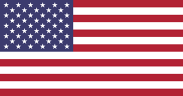
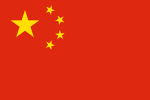
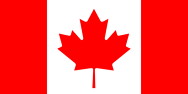
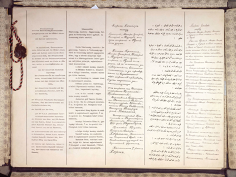
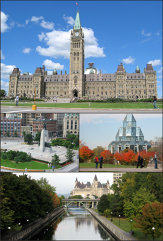
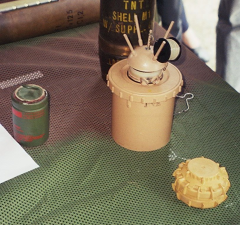
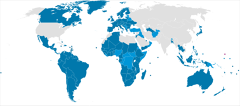
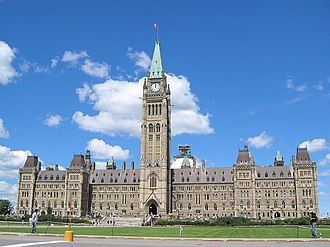
Representatives from 121 nations gathered in Ottawa and signed a treaty banning antipersonnel landmines, weapons that continued killing and maiming civilians decades after the wars that scattered them had ended. The Mine Ban Treaty, signed on December 3, 1997, prohibited the use, production, stockpiling, and transfer of landmines. The agreement was remarkable for being driven not by great powers but by a coalition of small nations and civil society organizations. The campaign against landmines had been building throughout the 1990s as humanitarian organizations documented the toll. An estimated 26,000 people were killed or injured by mines each year, the vast majority of them civilians in countries like Cambodia, Angola, and Afghanistan. Children were disproportionately affected, often mistaking mines for toys or stepping on them while farming. The weapons cost as little as $3 to produce but up to $1,000 each to remove. Jody Williams, an American activist, coordinated the International Campaign to Ban Landmines, which united over 1,000 NGOs from 60 countries. Canada's foreign minister, Lloyd Axworthy, championed the treaty through diplomatic channels, bypassing the traditional UN disarmament process where major powers could block progress. The "Ottawa Process" moved from initial conference to signed treaty in just 14 months, an extraordinary pace for international law. Williams and the ICBL were awarded the Nobel Peace Prize in 1997 for their work. The treaty's major limitation was the absence of the largest mine producers and users: the United States, Russia, and China refused to sign. Despite this, the treaty has had measurable impact. Global production of mines dropped sharply, trade in the weapons virtually ceased, and over 50 million stockpiled mines have been destroyed. Annual casualties fell by more than two-thirds within 15 years of the treaty's adoption.
December 3, 1997
29 years ago
Key Figures & Places
What Else Happened on December 3
Pope John X crowned Berengar I as Holy Roman Emperor, formalizing a desperate alliance to expel Saracen raiders from their fortified base on the Garigliano Rive…
John Paul Jones raised the Grand Union Flag on the USS Alfred in Philadelphia on December 3, 1775, making it the first ship to display this early symbol of Amer…
The Austrians won at Wiesloch, but nobody remembers. Sztáray de Nagy-Mihaly pushed back French forces in this small Baden town, briefly reversing Radical France…
The Electoral College produced an unprecedented tie between Thomas Jefferson and his own running mate Aaron Burr, each receiving 73 votes. The deadlock threw th…
French General Moreau routed Austrian Archduke John's forces near Munich on December 3, 1800, in a blinding snowstorm that gave France the decisive victory it n…
Illinois entered the Union with a lie already in place. The state constitution banned slavery — except it didn't. Existing enslaved people stayed enslaved. Salt…
Talk to History
Have a conversation with historical figures who witnessed this era. Ask questions, explore perspectives, and bring history to life.