

Mount Erebus Disaster: Sightseeing Plane Kills 257
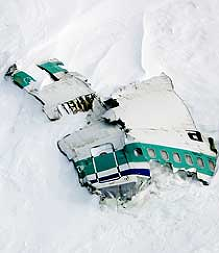
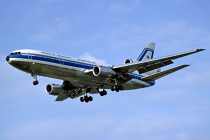
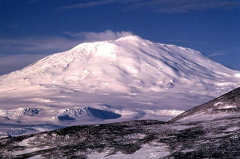
Air New Zealand Flight 901 flew directly into the side of Mount Erebus, Antarctica's only active volcano, at 12:49 p.m. on November 28, 1979, killing all 237 passengers and 20 crew members. The DC-10, operating a sightseeing flight from Auckland, descended through cloud cover to give passengers a better view and struck the 12,448-foot mountain at roughly 1,500 feet elevation. The passengers likely never saw the mountain before impact. Antarctic sightseeing flights had operated since 1977 and were enormously popular. Passengers paid for a round trip over the frozen continent, with the aircraft descending to low altitude for views of McMurdo Sound and the Ross Ice Shelf. The flights followed a computer-generated route that pilots reviewed before departure. What the crew did not know was that the flight coordinates had been corrected overnight, shifting the planned route from a path over McMurdo Sound to one leading directly toward Mount Erebus. Captain Jim Collins and First Officer Greg Cassin descended below cloud cover expecting to be over flat sea ice. Instead, they were heading straight into the volcano. The ground proximity warning system activated just six seconds before impact. Collins applied full power, but the plane struck at nearly 300 miles per hour. The wreckage scattered across the mountainside in a debris field that recovery teams, working in extreme cold and whiteout conditions, spent weeks collecting. The investigation became one of New Zealand's most bitter public controversies. Air New Zealand blamed pilot error. Justice Peter Mahon, leading a royal commission, concluded that the airline had altered the flight path without informing the crew and then engaged in "an orchestrated litany of lies" to cover up its responsibility. Mahon's findings were partially overturned on procedural grounds but vindicated in public opinion. The disaster ended Antarctic sightseeing flights for nearly 15 years.
November 28, 1979
47 years ago
Key Figures & Places

What Else Happened on November 28
King Guntram of Burgundy formally adopted his nephew Childebert II as his successor, unifying the fractured Merovingian kingdoms under a single line of successi…
Shi Jingtang didn't win his throne — he bought it. To secure Liao's military backing against Emperor Fei of Later Tang, he handed over the strategically critica…
A bishop and a count. That's who Pope Urban II trusted to command one of history's most audacious military campaigns. Adhemar of Le Puy wasn't a general — he wa…
Skanderbeg seized the fortress of Kruja by tricking the Ottoman garrison with a forged sultan’s decree, reclaiming his ancestral lands. By raising the double-he…
Emperor Lê Thánh Tông launched a massive naval and land invasion against the Champa Kingdom, dismantling the Vijaya capital. This decisive campaign shattered Ch…

Three battered ships sailed out of a narrow, storm-lashed strait and into an ocean so vast and calm that their captain wept. Ferdinand Magellan, having spent 38…
Talk to History
Have a conversation with historical figures who witnessed this era. Ask questions, explore perspectives, and bring history to life.