

Magellan Enters the Pacific: First European Through the Strait
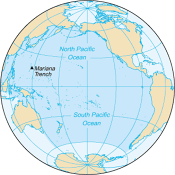
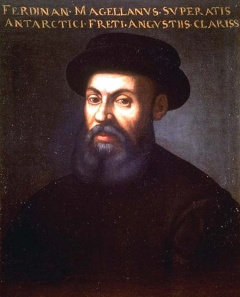
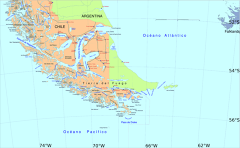
Magellan's fleet pushed through a treacherous 373-mile channel at Cape Virgenes, driving three surviving ships into the vast, calm waters he named the Pacific Ocean. This desperate navigation completed the first circumnavigation of the globe, proving the world's oceans connected and shattering European assumptions about the size of Asia. Although Magellan died in the Philippines before the journey ended, his expedition returned with concrete proof that a westward route to the Spice Islands existed.
November 28, 1520
506 years ago
Key Figures & Places

What Else Happened on November 28
King Guntram of Burgundy formally adopted his nephew Childebert II as his successor, unifying the fractured Merovingian kingdoms under a single line of successi…
Shi Jingtang didn't win his throne — he bought it. To secure Liao's military backing against Emperor Fei of Later Tang, he handed over the strategically critica…
en Clermont (Francia), en el último día del Concilio de Clermont, el papa Urbano II envía al obispo Ademar de Monteil (f. 1098) y a Raimundo IV de Tolosa (1042-…

A bishop and a count. That's who Pope Urban II trusted to command one of history's most audacious military campaigns. Adhemar of Le Puy wasn't a general — he wa…
Mongolische Truppen unter der Führung Batu Khans beginnen die Belagerung von Kiew.
Skanderbeg seized the fortress of Kruja by tricking the Ottoman garrison with a forged sultan’s decree, reclaiming his ancestral lands. By raising the double-he…
Talk to History
Have a conversation with historical figures who witnessed this era. Ask questions, explore perspectives, and bring history to life.