

Royal Society Founded: 12 Men at Gresham College Start Modern Science
Twelve scholars gathered at Gresham College to establish a society dedicated to experimental science, creating an institution that would soon transform how humanity investigates the natural world. This bold move birthed the Royal Society, which immediately began publishing new research and setting the standard for peer review that defines modern scientific inquiry today.
November 28, 1660
366 years ago
Key Figures & Places
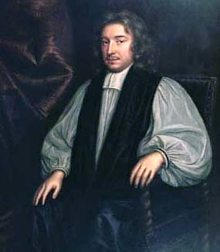
John Wilkins
Wikipedia
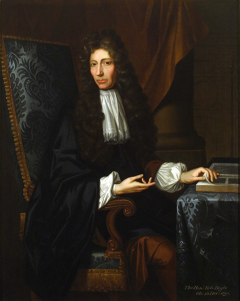
Robert Boyle
Wikipedia
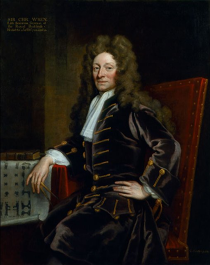
Christopher Wren
Wikipedia
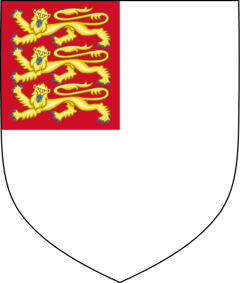
Royal Society
Wikipedia
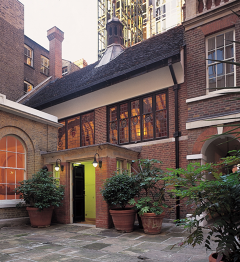
Gresham College
Wikipedia
Robert Moray
Wikipedia

Gresham College
Wikipedia

Christopher Wren
Wikipedia

Robert Boyle
Wikipedia

John Wilkins
Wikipedia
Robert Moray
Wikipedia

Royal Society
Wikipedia

William Petty
Wikipedia
What Else Happened on November 28
King Guntram of Burgundy formally adopted his nephew Childebert II as his successor, unifying the fractured Merovingian kingdoms under a single line of successi…
Shi Jingtang didn't win his throne — he bought it. To secure Liao's military backing against Emperor Fei of Later Tang, he handed over the strategically critica…
en Clermont (Francia), en el último día del Concilio de Clermont, el papa Urbano II envía al obispo Ademar de Monteil (f. 1098) y a Raimundo IV de Tolosa (1042-…

A bishop and a count. That's who Pope Urban II trusted to command one of history's most audacious military campaigns. Adhemar of Le Puy wasn't a general — he wa…
Mongolische Truppen unter der Führung Batu Khans beginnen die Belagerung von Kiew.
Skanderbeg seized the fortress of Kruja by tricking the Ottoman garrison with a forged sultan’s decree, reclaiming his ancestral lands. By raising the double-he…
Talk to History
Have a conversation with historical figures who witnessed this era. Ask questions, explore perspectives, and bring history to life.