

JFK Assassinated in Dallas: America Loses Its President
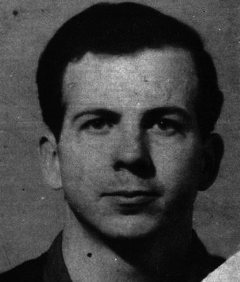
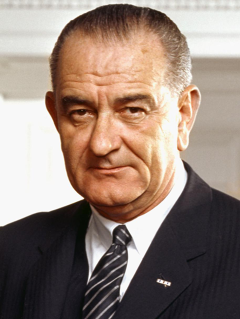
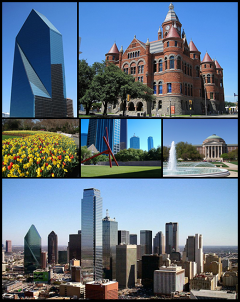
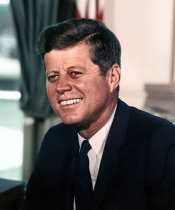
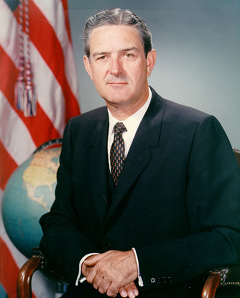
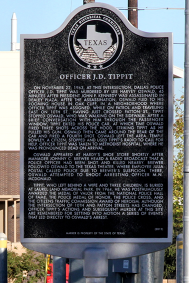
Lee Harvey Oswald fired fatal shots from the Texas School Book Depository, instantly killing President John F. Kennedy and propelling Lyndon B. Johnson into the White House. This tragedy shattered national confidence in government institutions, spawning decades of conspiracy theories that still convince 60% of Americans a second gunman existed despite official findings to the contrary.
November 22, 1963
63 years ago
Key Figures & Places

What Else Happened on November 22

Two popes. Same day. Different buildings. When Anastasius II died, Rome's clergy couldn't agree — so they didn't. Symmachus won his vote at the Lateran Palace …
A Breton duke handed a Frankish king his worst humiliation. Nominoe wasn't even royalty yet — just a regional leader Charles the Bald had trusted to govern Brit…
Simon de Montfort's forces breach the Castle of Termes, ending the Cathar stronghold that had defied papal authority for months. This victory shatters organized…
Pope Honorius III crowned Frederick II as Holy Roman Emperor in Rome, formalizing the union of the Sicilian throne with the imperial title. This consolidation f…
Nikolaus III. wird in Viterbo als Nachfolger von Johannes XXI. zum Papst gewählt.
Pope Clement V issued the papal bull Pastoralis Praeeminentiae, ordering every Christian monarch in Europe to arrest the Knights Templar and seize their vast ho…
Talk to History
Have a conversation with historical figures who witnessed this era. Ask questions, explore perspectives, and bring history to life.