

Edison Announces the Phonograph: Sound Can Be Recorded
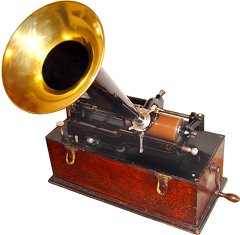
Edison's first recorded words weren't a speech or a song. They were "Mary Had a Little Lamb." He shouted it into a tinfoil cylinder, cranked the handle, and heard his own voice played back — stunned even himself. Scientists had theorized about capturing sound for decades, but nobody actually believed it was possible. Edison built the first working model in 30 hours. And that nursery rhyme, scratchy and barely audible, became the moment humanity realized time itself could be stored.
November 21, 1877
149 years ago
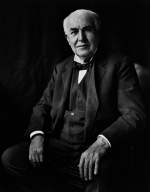
Key Figures & Places


What Else Happened on November 21
Judas Maccabeus cleanses and rededicates the Jerusalem Temple after years of desecration, sparking a three-day celebration that evolved into the annual festival…

Judas Maccabeus and his followers rededicated the Jerusalem Temple in 164 BCE after driving out Seleucid forces that had desecrated the sanctuary with a statue …
He served 43 days. That's it. Pope Anterus became the nineteenth pope in 235 AD and was dead before anyone could blink — martyred under Emperor Maximinus Thrax'…
Riazã é conquistada pelos mongóis, liderados por Batu Cã após alguns dias de cerco.
سقوط مدينة إشبيلية كبرى الحواضر الأندلسية في يد ملك مملكة قشتالة فرناندو الثالث.

Edward wasn't even in England. He was thousands of miles away, crusading in the Holy Land, when his father Henry III died and the crown became his. No coronatio…
Talk to History
Have a conversation with historical figures who witnessed this era. Ask questions, explore perspectives, and bring history to life.