Temple Rededicated: Hanukkah's Freedom After Oppression
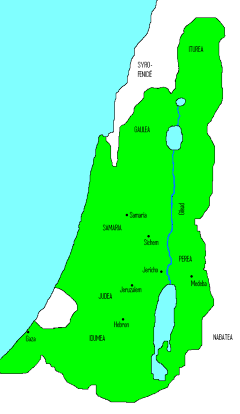
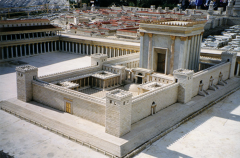
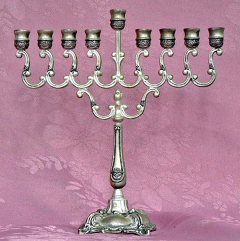
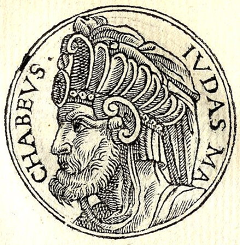
Three years of guerrilla warfare against one of the ancient world's most powerful empires ended not with a final battle but with a ceremony of purification. Judas Maccabaeus and his fighters entered the Temple in Jerusalem to find it desecrated, its sacred altar replaced by a pagan shrine to Zeus. On the 25th of Kislev, 164 BCE, they rededicated the Temple, kindling its menorah and restoring Jewish worship to its holiest site. The crisis had begun when the Seleucid king Antiochus IV Epiphanes attempted to unify his sprawling empire through forced Hellenization. He banned Jewish religious practices, including Torah study and circumcision, and erected an altar to Zeus in the Temple. Jews who refused to comply faced execution. The elderly priest Mattathias of Modi'in struck the first blow of rebellion by killing a Hellenized Jew who approached a pagan altar, then fled to the hills with his five sons. After Mattathias died, his son Judas took command and proved a brilliant tactician. Despite being vastly outnumbered, the Maccabees exploited their knowledge of the Judean hills, using ambushes and night raids to defeat several Seleucid armies. Their victories at Beth Horon, Emmaus, and Beth Zur opened the road to Jerusalem. Judas recaptured the city but found the Temple in ruins, its courtyards overgrown and its gates burned. The rededication ceremony lasted eight days. According to tradition preserved in the Talmud, only one small cruse of consecrated oil remained to light the menorah, yet it burned for all eight days. This story, whether literal or symbolic, became the foundation of Hanukkah, the Festival of Lights. The Maccabean revolt remains one of the earliest successful struggles for religious freedom, its annual commemoration a reminder that faith and persistence can outlast empire.
November 21, 164 BC
Key Figures & Places
What Else Happened on November 21
Judas Maccabeus rededicated the Jerusalem Temple on the 25th of Kislev, 164 BC, after three years of desecration under the Seleucid king Antiochus IV Epiphanes.…
He served 43 days. That's it. Pope Anterus became the nineteenth pope in 235 AD and was dead before anyone could blink — martyred under Emperor Maximinus Thrax'…
Edward wasn't even in England. He was thousands of miles away, crusading in the Holy Land, when his father Henry III died and the crown became his. No coronatio…
Bagrat V watched his capital burn. Timur hadn't just raided Tbilisi — he'd humiliated a king who'd ruled for decades, dragging him back to Samarkand in chains. …
Forty-one male passengers aboard the Mayflower established a self-governing body by signing a compact to ensure the survival of their fledgling colony. This doc…
Ole Rømer demonstrated that light travels at a finite speed by observing the irregular timing of Jupiter’s moon Io. By calculating the delay caused by the Earth…
Talk to History
Have a conversation with historical figures who witnessed this era. Ask questions, explore perspectives, and bring history to life.