

Standard Time Zones Adopted: Railroads End the Clock Chaos
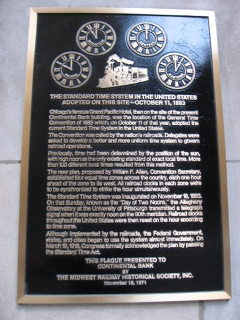
American and Canadian railroads abolished the chaos of hundreds of local sun-based times by instituting five standardized continental time zones on a single day. The reform ended the nightmare of scheduling trains across cities where clocks disagreed by hours, and it forced every telegraph office and town clock in North America to synchronize simultaneously.
November 18, 1883
143 years ago
Key Figures & Places



What Else Happened on November 18
Elisha P. Ferry was inaugurated as the first governor of Washington State, just days after it was admitted to the Union as the 42nd state. Ferry, a Republican w…
Emperor Constantine's massive basilica over St. Peter's burial site was consecrated after nearly two decades of construction. The church became the spiritual ce…

The Visigoths under King Alaric I surged over the Alps to strike deep into northern Italy, a bold maneuver that shattered Roman defenses in the region. This inv…
Der japanische Kaiser Kammu verlegt seine Residenz von Nagaoka-kyō in das neu gegründete Heian-kyō, das heutige Kyōto.
Pope Urban II ignited a religious war at the Council of Clermont, urging European nobles to reclaim Jerusalem from Muslim rule. This call to arms mobilized tens…
en España, Pedro I, rey de Navarra y Aragón, conquista Huesca.
Talk to History
Have a conversation with historical figures who witnessed this era. Ask questions, explore perspectives, and bring history to life.