

Germany and Poland Sign Border Treaty After Reunification
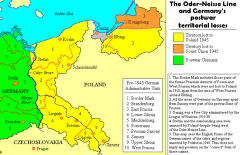
Germany and Poland signed a treaty confirming the Oder-Neisse line as their permanent border, instantly resolving decades of territorial disputes that had haunted post-war Europe. This agreement cemented the end of German claims to eastern territories and established a stable foundation for modern diplomatic relations between the two nations.
November 14, 1990
36 years ago
Key Figures & Places
Germany
Wikipedia
Federal Republic of Germany
Wikipedia

Poland
Wikipedia
German reunification
Wikipedia
Republic of Poland
Wikipedia
Oder-Neisse line
Wikipedia
Oder–Neisse line
Wikipedia

German reunification
Wikipedia

Germany
Wikipedia
German–Polish Border Treaty
Wikipedia

Oder–Neisse line
Wikipedia

Berlin Conference
Wikipedia

Imperialismo
Wikipedia

Frontière entre l'Allemagne et la Pologne
Wikipedia
West Germany
Wikipedia

Poland
Wikipedia
What Else Happened on November 14
Alexander the Great accepted the double crown of Upper and Lower Egypt in Memphis, ending two centuries of Persian rule. By assuming the title of pharaoh, he se…
In Lyon wird Clemens V. zum Papst gekrönt.
Die Ostfriesischen Häuptlinge schließen einen Bund der Freiheit gegen Focko Ukena und wählen Edzard aus dem Geschlecht der Cirksena zu dessen Anführer.
Georg der Reiche, der spätere Herzog von Bayern-Landshut, nimmt Jadwiga, die Tochter des polnischen Königs Kasimir IV., zur Frau. Das Hochzeitsfest in Landshut …
Christoph Kolumbus landet bei seiner zweiten Reise auf einer Insel der Kleinen Antillen, die er Santa Cruz nennt.
In der Schlacht von Aguere gelingt den Truppen des Königreichs Kastilien ein Erfolg über die Guanchen, die Ureinwohner der Kanarischen Inseln.
Talk to History
Have a conversation with historical figures who witnessed this era. Ask questions, explore perspectives, and bring history to life.