

James Braid Observes Mesmerism: The Birth of Hypnosis
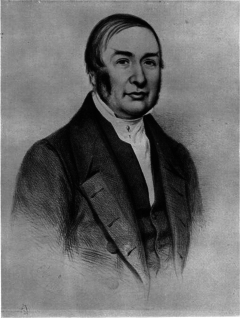
Surgeon James Braid attended a demonstration of animal magnetism by Charles Lafontaine and concluded the trance states were genuine but had no magnetic cause. His scientific investigation of the phenomenon led him to coin the term "hypnosis" and establish it as a legitimate subject of medical study, separating it from centuries of mystical quackery.
November 13, 1841
185 years ago
Key Figures & Places
What Else Happened on November 13
en la ciudad de Sevilla (península ibérica) se celebra, bajo el reinado de Sisebuto, el Segundo Concilio de Sevilla, presidido por san Isidoro de Sevilla.
Janaab Pakal III. besteigt als letzter bekannter Herrscher (Ajaw) den Thron der Maya-Stadt Palenque.

A king so desperate he ordered an entire people dead in a single day. Æthelred II — already nicknamed "the Unready" — commanded the slaughter of every Dane livi…
Malcolm III of Scotland and his son Edward fell during a surprise English ambush at the Battle of Alnwick. This sudden decapitation of the Scottish leadership t…
Louis VII of France married Adele of Champagne just five weeks after his second wife's death, securing a powerful alliance with the House of Champagne. The marr…
Nahe Gaza tappt ein kleines Kreuzfahrerheer unter Amalrich VII. von Montfort und Heinrich II. von Bar in eine Falle des Ayyubidenheeres und verliert die folgend…
Talk to History
Have a conversation with historical figures who witnessed this era. Ask questions, explore perspectives, and bring history to life.