

St. Brice's Day Massacre: English King Orders All Danes Killed
A king so desperate he ordered an entire people dead in a single day. Æthelred II — already nicknamed "the Unready" — commanded the slaughter of every Dane living in England on November 13, 1002. Hundreds died. But among them was Gunhilde, sister of Danish King Sweyn Forkbeard. That personal loss lit a fire. Sweyn invaded England repeatedly, eventually forcing Æthelred into exile. The massacre didn't crush the Danish threat. It guaranteed it.
November 13, 1002
1024 years ago
Key Figures & Places

England
Wikipedia
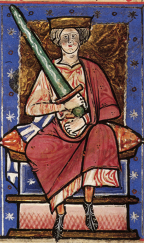
Ethelred II of England
Wikipedia
Danes (ancient people)
Wikipedia
St. Brice's Day massacre
Wikipedia
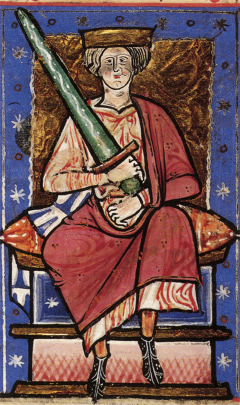
Æthelred II
Wikipedia

Æthelred the Unready
Wikipedia

Danes (tribe)
Wikipedia
St Brice's Day massacre
Wikipedia

Geschichte Englands
Wikipedia

Expansões vikings
Wikipedia

England
Wikipedia

Denmark
Wikipedia
What Else Happened on November 13
en la ciudad de Sevilla (península ibérica) se celebra, bajo el reinado de Sisebuto, el Segundo Concilio de Sevilla, presidido por san Isidoro de Sevilla.
Janaab Pakal III. besteigt als letzter bekannter Herrscher (Ajaw) den Thron der Maya-Stadt Palenque.
Malcolm III of Scotland and his son Edward fell during a surprise English ambush at the Battle of Alnwick. This sudden decapitation of the Scottish leadership t…
Louis VII of France married Adele of Champagne just five weeks after his second wife's death, securing a powerful alliance with the House of Champagne. The marr…
Nahe Gaza tappt ein kleines Kreuzfahrerheer unter Amalrich VII. von Montfort und Heinrich II. von Bar in eine Falle des Ayyubidenheeres und verliert die folgend…
Durch ein von Erzbischof Siegfried III. von Eppstein verliehenes Stadtprivileg wird Mainz zur Freien Stadt.
Talk to History
Have a conversation with historical figures who witnessed this era. Ask questions, explore perspectives, and bring history to life.