

UK Abolishes the Death Penalty: The Last Hanging Was in 1964
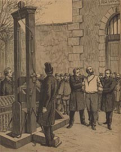
The Murder (Abolition of Death Penalty) Act received Royal Assent, permanently ending capital punishment for murder in the United Kingdom. The law followed a five-year moratorium and reflected a fundamental shift in British views on justice, making the UK one of the first major Western nations to abolish the practice.
November 8, 1965
61 years ago
Key Figures & Places

What Else Happened on November 8
Marcus Tullius Cicero hält vor dem römischen Senat die erste seiner Reden gegen Catilina, in der er den Vorwurf erhebt, Lucius Sergius Catilina habe am Vortag e…
en el Imperio romano el emperador Teodosio el Grande prohíbe todos los cultos no cristianos.
ouverture du premier Concile de Clermont.
Sayf al-Dawla had terrorized Byzantine frontiers for decades. Brilliant. Relentless. Nearly untouchable. Then Leo Phokas the Younger lured him into the Andrasso…
He wasn't sick. He wasn't overthrown. Trần Thánh Tông simply handed power to his son Trần Khâm and walked away from the throne by choice. No coup, no crisis — j…
Venetian authorities forced glassmakers to relocate their furnaces to the island of Murano to contain the constant threat of fire in the city’s wooden heart. Th…
Talk to History
Have a conversation with historical figures who witnessed this era. Ask questions, explore perspectives, and bring history to life.