Cortes Enters Tenochtitlan: Fall of the Aztec Empire Begins
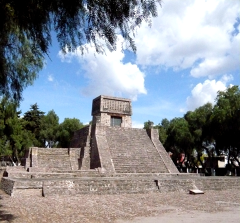
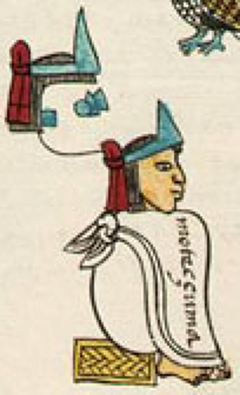
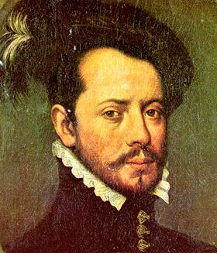
Hernan Cortes and roughly 400 Spanish soldiers marched along a stone causeway across Lake Texcoco on November 8, 1519, and entered a city larger than any in Spain. Tenochtitlan, the Aztec capital, held an estimated 200,000 to 300,000 inhabitants, with temples, aqueducts, botanical gardens, and a marketplace at Tlatelolco where 60,000 people traded daily. Bernal Diaz del Castillo, a soldier in the expedition, later wrote that the soldiers wondered whether they were dreaming. Emperor Moctezuma II met the Spaniards at the city's southern entrance, carried on a litter under a canopy of green quetzal feathers and gold. He presented Cortes with gifts and housed the expedition in the palace of his father, Axayacatl. Why Moctezuma welcomed rather than repelled the invaders has generated centuries of debate. Some accounts claim he believed Cortes might be the returning god Quetzalcoatl, though many modern historians consider this a post-conquest fabrication. More likely, Moctezuma was employing cautious diplomacy, gathering intelligence while keeping the strangers under surveillance. Cortes had been preparing since landing on the Gulf Coast seven months earlier. He had burned his ships to prevent retreat, forged alliances with Aztec vassal states resentful of Tenochtitlan's tribute demands and sacrificial practices, and survived a battle with the Tlaxcalans that ended in an alliance giving him thousands of indigenous warriors. His small force would have been insignificant without these allies. The peaceful entry lasted barely a week before Cortes seized Moctezuma as a hostage. Over eighteen months, the relationship deteriorated into open warfare. Cortes was driven from the city during the Noche Triste in June 1520, losing hundreds of men. He returned with reinforcements and besieged Tenochtitlan for 75 days. The city fell on August 13, 1521, destroyed by combat, starvation, and a smallpox epidemic that killed roughly half its population.
November 8, 1519
507 years ago
Key Figures & Places
What Else Happened on November 8
Sayf al-Dawla had terrorized Byzantine frontiers for decades. Brilliant. Relentless. Nearly untouchable. Then Leo Phokas the Younger lured him into the Andrasso…
He wasn't sick. He wasn't overthrown. Trần Thánh Tông simply handed power to his son Trần Khâm and walked away from the throne by choice. No coup, no crisis — j…
Venetian authorities forced glassmakers to relocate their furnaces to the island of Murano to contain the constant threat of fire in the city’s wooden heart. Th…
Christian II ordered the execution of nearly 100 Swedish noblemen on November 8, 1520, just days after being crowned King of Sweden and despite having promised …
Three days of executions. King Christian II of Denmark had promised amnesty — then ordered the killings anyway. Around 100 Swedish nobles, bishops, and burghers…
Seventeen provinces. One document. And suddenly Spain's grip on the Netherlands cracked. The Pacification of Ghent didn't start as rebellion — it started as exh…
Talk to History
Have a conversation with historical figures who witnessed this era. Ask questions, explore perspectives, and bring history to life.