

Kennedy Elected: America's Youngest President
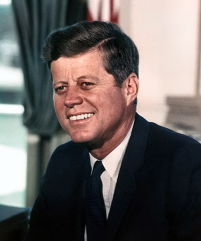
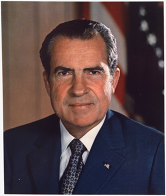
John Fitzgerald Kennedy defeated Richard Nixon by fewer than 120,000 votes out of nearly 69 million cast on November 8, 1960, winning the presidency in one of the closest elections in American history. Kennedy, at 43, became the youngest person elected to the office and the first Roman Catholic president, overcoming decades of anti-Catholic prejudice that had helped doom Al Smith's candidacy in 1928. The campaign featured the first televised presidential debates, which fundamentally altered American politics. An estimated 70 million people watched the first debate on September 26. Kennedy appeared tanned, composed, and confident. Nixon, who had been hospitalized with a knee infection and refused makeup, looked pale and uncomfortable under the studio lights. Polls showed radio listeners judged the debate roughly even, while television viewers gave Kennedy a clear advantage. Kennedy's Catholicism remained a central issue despite his address to the Greater Houston Ministerial Association on September 12, declaring, "I am not the Catholic candidate for president. I am the Democratic Party's candidate for president who happens also to be a Catholic." Protestant ministers organized opposition based on fears that a Catholic president would take orders from the Vatican. Kennedy's forceful response largely neutralized the issue, though it cost him votes in the rural South. The razor-thin margin generated allegations of fraud, particularly in Illinois and Texas. In Cook County, allegations of vote manipulation by Mayor Richard Daley's machine were widespread. Nixon publicly declined to challenge the results, stating that a contested election would damage the country during the Cold War. Kennedy's 303-219 Electoral College victory was more comfortable than the popular vote suggested, but the narrowness of his mandate shaped his cautious approach to domestic policy during his abbreviated presidency.
November 8, 1960
66 years ago
Key Figures & Places
What Else Happened on November 8
Sayf al-Dawla had terrorized Byzantine frontiers for decades. Brilliant. Relentless. Nearly untouchable. Then Leo Phokas the Younger lured him into the Andrasso…
He wasn't sick. He wasn't overthrown. Trần Thánh Tông simply handed power to his son Trần Khâm and walked away from the throne by choice. No coup, no crisis — j…
Venetian authorities forced glassmakers to relocate their furnaces to the island of Murano to contain the constant threat of fire in the city’s wooden heart. Th…

Hernan Cortes and roughly 400 Spanish soldiers marched along a stone causeway across Lake Texcoco on November 8, 1519, and entered a city larger than any in Spa…
Christian II ordered the execution of nearly 100 Swedish noblemen on November 8, 1520, just days after being crowned King of Sweden and despite having promised …
Three days of executions. King Christian II of Denmark had promised amnesty — then ordered the killings anyway. Around 100 Swedish nobles, bishops, and burghers…
Talk to History
Have a conversation with historical figures who witnessed this era. Ask questions, explore perspectives, and bring history to life.