

Hitler Escapes Beer Hall Bomb by 13 Minutes: Elser's Near-Miss
Georg Elser's bomb detonates inside Munich's Bürgerbräukeller just minutes after Adolf Hitler departs, shattering the celebration of the Beer Hall Putsch's 16th anniversary. The dictator survives a narrow escape that ultimately convinces him the German people have failed to protect him, fueling his decision to launch a brutal crackdown on Jews and political opponents in the weeks following the attack.
November 8, 1939
87 years ago
Key Figures & Places
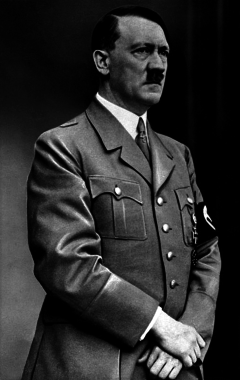
Adolf Hitler
Wikipedia
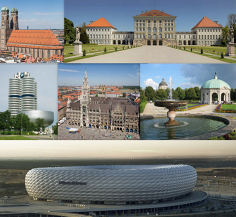
Munich
Wikipedia
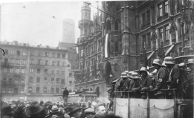
Beer Hall Putsch
Wikipedia
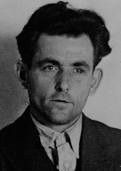
Georg Elser
Wikipedia
assassination attempt
Wikipedia

Munich
Wikipedia

Adolf Hitler
Wikipedia

Georg Elser
Wikipedia

Beer Hall Putsch
Wikipedia

Nazism
Wikipedia

The Eternal Jew (art exhibition)
Wikipedia

Germany
Wikipedia

Bürgerbräukeller
Wikipedia

Nazi Party
Wikipedia

Weimar Republic
Wikipedia

Wilhelm Röntgen
Wikipedia

X-ray
Wikipedia

tear down
Wikipedia

Cold War
Wikipedia

Mike Pompeo
Wikipedia

Bavaria
Wikipedia

Joseph Goebbels
Wikipedia
Bibliothek des Deutschen Museums
Wikipedia
Wanderausstellung
Wikipedia

Geschichte des Antisemitismus bis 1945
Wikipedia

Erich Ludendorff
Wikipedia

Hermann Göring
Wikipedia

Geschichte Münchens
Wikipedia

Führer
Wikipedia

Nazi Germany
Wikipedia

Caporal
Wikipedia
What Else Happened on November 8
Marcus Tullius Cicero hält vor dem römischen Senat die erste seiner Reden gegen Catilina, in der er den Vorwurf erhebt, Lucius Sergius Catilina habe am Vortag e…
en el Imperio romano el emperador Teodosio el Grande prohíbe todos los cultos no cristianos.
ouverture du premier Concile de Clermont.
Sayf al-Dawla had terrorized Byzantine frontiers for decades. Brilliant. Relentless. Nearly untouchable. Then Leo Phokas the Younger lured him into the Andrasso…
He wasn't sick. He wasn't overthrown. Trần Thánh Tông simply handed power to his son Trần Khâm and walked away from the throne by choice. No coup, no crisis — j…
Venetian authorities forced glassmakers to relocate their furnaces to the island of Murano to contain the constant threat of fire in the city’s wooden heart. Th…
Talk to History
Have a conversation with historical figures who witnessed this era. Ask questions, explore perspectives, and bring history to life.