

Rontgen Discovers X-Rays: He Can See Through His Wife's Hand
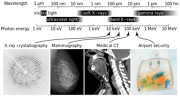
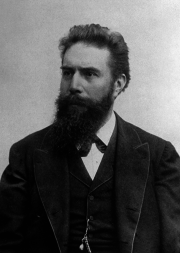
Wilhelm Röntgen spotted a faint green glow from a fluorescent screen while testing Crookes tubes wrapped in black cardboard, revealing invisible rays that passed through books and his wife's hand. He named these unknown emissions "X-rays" and published the first paper on them within two months, earning the inaugural Nobel Prize in Physics. This discovery immediately transformed medicine by enabling doctors to see inside living bodies without surgery, a capability his wife described as seeing her own death.
November 8, 1895
131 years ago
Key Figures & Places

What Else Happened on November 8
Marcus Tullius Cicero hält vor dem römischen Senat die erste seiner Reden gegen Catilina, in der er den Vorwurf erhebt, Lucius Sergius Catilina habe am Vortag e…
en el Imperio romano el emperador Teodosio el Grande prohíbe todos los cultos no cristianos.
ouverture du premier Concile de Clermont.
Sayf al-Dawla had terrorized Byzantine frontiers for decades. Brilliant. Relentless. Nearly untouchable. Then Leo Phokas the Younger lured him into the Andrasso…
He wasn't sick. He wasn't overthrown. Trần Thánh Tông simply handed power to his son Trần Khâm and walked away from the throne by choice. No coup, no crisis — j…
Venetian authorities forced glassmakers to relocate their furnaces to the island of Murano to contain the constant threat of fire in the city’s wooden heart. Th…
Talk to History
Have a conversation with historical figures who witnessed this era. Ask questions, explore perspectives, and bring history to life.