First Auto Patent Granted: Selden Sparks the Motor Age
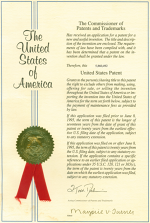
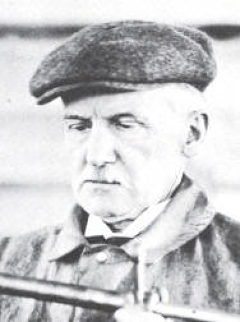
George Baldwin Selden received U.S. Patent No. 549,160 on November 5, 1895, for a "road engine" powered by an internal combustion motor, and then spent sixteen years trying to collect royalties from every automobile manufacturer in America. Selden, a patent attorney from Rochester, New York, had filed the original application in 1879 but deliberately delayed its approval through amendments and continuations, keeping the patent pending while the automotive industry developed around it. Selden had never built a working automobile. His patent described a lightweight internal combustion engine mounted on a carriage, a concept that existed primarily on paper. The engine design was based on the Brayton cycle, already outdated by the time the patent was granted. Nevertheless, the patent's broad language appeared to cover virtually any gasoline-powered vehicle, and established manufacturers formed the Association of Licensed Automobile Manufacturers in 1903, agreeing to pay Selden royalties in exchange for using his patent as a barrier against new competitors. Henry Ford refused to pay. Ford, whose application to join the ALAM had been rejected, challenged the patent in 1903, beginning a legal battle that lasted eight years. Ford's team argued that the patent was invalid because it described a Brayton-cycle engine while all practical automobiles used the superior Otto-cycle engine. In 1911, a federal appeals court agreed, ruling that Selden's patent applied only to vehicles using the specific engine type he had described, which no manufacturer actually used. The ruling demolished the patent licensing system and opened the American automobile industry to unrestricted competition. Ford, who had continued manufacturing throughout the litigation, emerged as a folk hero. The case established lasting precedents about the limits of patent scope and the dangers of overly broad claims, principles that continue to shape intellectual property law.
November 5, 1895
131 years ago
Key Figures & Places
What Else Happened on November 5
Berber forces under Sulayman ibn al-Hakam defeated Umayyad Caliph Muhammad II at the Battle of Qantish on November 5, 1009, shattering his army and forcing him …
Two-year-old Ly Anh Tong was placed on the throne of Vietnam's Ly dynasty, beginning one of the longest reigns in the country's history at 37 years. His minorit…
The Catholicon, a Breton-French-Latin dictionary compiled by Jehan Lagadeuc in 1464, was finally published on November 5, 1499, making it the first printed dict…
The St. Felix’s Flood obliterated the Dutch city of Reimerswaal, permanently submerging the once-prosperous trading hub beneath the Oosterschelde estuary. This …
Akbar’s Mughal forces crushed the army of Hem Chandra Vikramaditya at the Second Battle of Panipat after a stray arrow struck the Hindu king in the eye. This vi…
Guy Fawkes stands caught with thirty-six barrels of gunpowder beneath the House of Lords, his plan to annihilate King James I and Parliament foiled just hours b…
Talk to History
Have a conversation with historical figures who witnessed this era. Ask questions, explore perspectives, and bring history to life.