

First Fleet Lands at Sydney: Australia Day, Britain's Newest Colony
The British First Fleet under Arthur Phillip drops anchor in Port Jackson, prompting the establishment of Sydney as the continent's first permanent European settlement. This arrival immediately displaced Indigenous populations and launched a century of colonial expansion that reshaped the region's demographics and governance.
January 26, 1788
238 years ago
Key Figures & Places

Sydney
Wikipedia
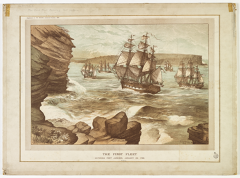
First Fleet
Wikipedia

Arthur Phillip
Wikipedia
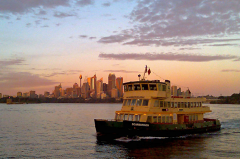
Port Jackson
Wikipedia
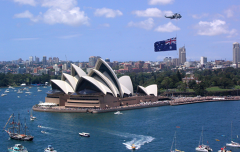
Australia Day
Wikipedia

First Fleet
Wikipedia

Arthur Phillip
Wikipedia

Port Jackson
Wikipedia

Sydney
Wikipedia

Australia Day
Wikipedia

Australia
Wikipedia

Masacre de Waterloo Creek
Wikipedia
Policía Montada de Nueva Gales del Sur
Wikipedia

Penal colony
Wikipedia

National day
Wikipedia

Sträflingskolonie Australien
Wikipedia

Australien (Kontinent)
Wikipedia

Sydney Cove
Wikipedia

Geschichte Australiens
Wikipedia
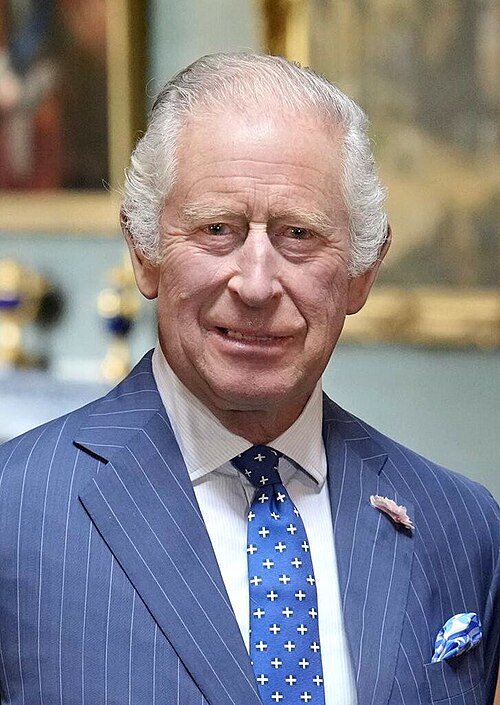
Prince of Wales
Wikipedia
What Else Happened on January 26
Ali ibn Abi Talib was praying when the sword struck. A poisoned blade, wielded by a Kharijite assassin named Ibn Muljam, cut down Muhammad's cousin and son-in-l…
Os coimperadores Estêvão e Constantino são destituídos e forçados a se tornarem monges por Constantino VII, que se torna o único imperador do Império Romano Ori…
en la Taifa de Zaragoza (en la actual España), Al-Musta'in se casa con la hija de Abu Bakr de Valencia, a la que asistieron los reyes taifas de al-Ándalus y, co…
Der englische König Eduard III. erklärt sich zu Beginn des Hundertjährigen Krieges selbst zum König von Frankreich.
King Edward III formally claimed the French throne, asserting his right through his mother, Isabella of France. This declaration escalated the dynastic tensions…
rétablissement de la prévôté des marchands de Paris (France).
Talk to History
Have a conversation with historical figures who witnessed this era. Ask questions, explore perspectives, and bring history to life.