

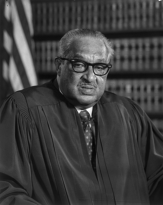
Thurgood Marshall Sworn In as First Black Supreme Court Justice
President Lyndon B. Johnson nominated Thurgood Marshall to the Supreme Court, shattering a racial barrier as the nation's first African-American justice. This appointment transformed the Court's composition and cemented Marshall's legacy from his landmark victory in Brown v. Board of Education into judicial authority that shaped civil rights for over two decades.
October 2, 1967
59 years ago
Key Figures & Places
What Else Happened on October 2
en la batalla de Alesia, las tropas sitiadoras de Julio César reciben un masivo ataque galo interno y externo. El sorprendente triunfo de los romanos ocasionará…
Saladin's army had surrounded Jerusalem for 12 days when Balian of Ibelin offered surrender terms: let Christians leave safely or we'll destroy the Dome of the …
Angry crowds stormed the Goose Fair in Nottingham, smashing stalls and demanding lower prices for their daily bread and cheese. This violent uprising forced loc…
Séverin est élu pape.
Theophilos became Byzantine Emperor at age 25 after his father Michael II died. He continued his father's iconoclasm—destroying religious images, persecuting ic…
Otto I shatters the rebel coalition led by Eberhard of Franconia at the Battle of Andernach, crushing their bid to overthrow his authority. This decisive victor…
Talk to History
Have a conversation with historical figures who witnessed this era. Ask questions, explore perspectives, and bring history to life.