

Nixon's Checkers Speech: The VP Saves His Career on Television
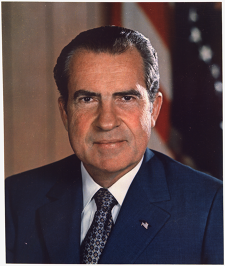
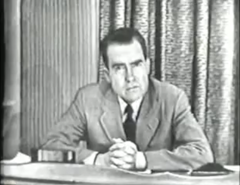
Richard Nixon flew to Los Angeles to deliver a half-hour television address defending himself against accusations of financial impropriety, explicitly vowing to keep a black-and-white dog gifted to his family as proof of his integrity. This desperate gambit triggered an overwhelming flood of telegrams and phone calls from the public, securing his spot on the Republican ticket and transforming the medium of television into a powerful tool for modern political survival.
September 23, 1952
74 years ago
Key Figures & Places

What Else Happened on September 23
Caligula elevated his late sister Drusilla to the status of a goddess, the first time a Roman woman received such an honor. By granting her divine rank, he asse…
proclamation d'Otton Ier du Saint-Empire comme roi des Lombards.

Pope Callixtus II and Holy Roman Emperor Henry V signed the Concordat of Worms to resolve a decades-long struggle over who held the power to appoint bishops. Th…
octavo y último día del fin del mundo ―producido por catástrofes como un eclipse de tres días de duración (?), vientos, tormentas, sequías, hambrunas, pestes, t…
The English ship Christofer carried three iron cannons and one hand gun into the harbor at Arnemuiden in 1338 — and changed naval warfare before anyone knew wha…
French forces decimated an English fleet off the coast of Arnemuiden, capturing five ships and seizing a massive cargo of wool. This clash introduced gunpowder …
Talk to History
Have a conversation with historical figures who witnessed this era. Ask questions, explore perspectives, and bring history to life.