

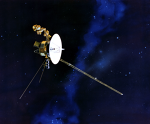
Voyager 2 Reaches Uranus: First and Only Flyby of the Ice Giant
Voyager 2 swooped to within 81,500 kilometres of Uranus, revealing a complex system of rings and ten previously unknown moons that reshaped our understanding of the ice giant. This flyby delivered the first close-up images of the planet's tilted axis and faint blue atmosphere, proving that Uranus possessed a dynamic weather system rather than the static appearance astronomers had long assumed.
January 24, 1986
40 years ago
Key Figures & Places


What Else Happened on January 24

Praetorian officers and senators slit Emperor Caligula's throat in a desperate bid to restore the Republic, yet their plot backfired immediately when the Guard …
The Praetorian Guard found Claudius hiding behind a curtain, trembling and expecting death. But instead of killing him, they declared him emperor—a man previous…

Stabbed repeatedly in a palace corridor, Caligula never saw it coming. His own Praetorian Guards—the elite soldiers meant to protect him—turned executioners aft…
en Egipto ―poco después del establecimiento del califato fatimí en la ciudad de Ifriquía (Túnez) en 909― empieza la primera invasión fatimí.
The Fatimids didn't just want Egypt. They wanted everything. Led by Ubayd Allah al-Mahdi, these North African Ismaili Shi'a Muslims launched a massive naval inv…
début de la querelle des Investitures.
Talk to History
Have a conversation with historical figures who witnessed this era. Ask questions, explore perspectives, and bring history to life.