Caligula's Tyranny Ends: Emperor Assassinated
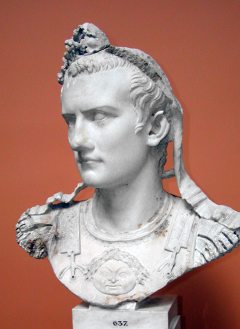
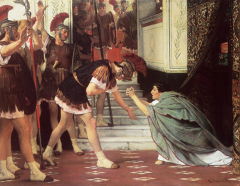
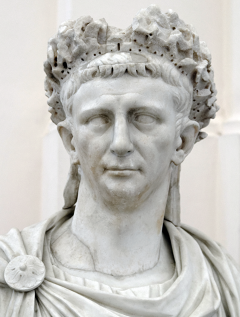
Cassius Chaerea, a tribune of the Praetorian Guard, struck the first blow in a narrow underground passage beneath the Palatine Hill. The emperor Caligula, 28 years old and four years into a reign defined by extravagance, cruelty, and possible madness, died under a hail of stab wounds from his own bodyguards on January 24, 41 AD. He was struck at least thirty times. Gaius Caesar Augustus Germanicus—nicknamed "Caligula" (Little Boot) by his father''s soldiers as a child—had inherited the empire in 37 AD to enormous popular goodwill. The Roman people were eager for a fresh start after the grim final years of Tiberius. Caligula initially delivered: he recalled political exiles, abolished treason trials, and funded lavish public games. Within months, however, a serious illness appeared to change him. He began executing rivals, humiliating senators, spending the treasury on extravagant building projects, and reportedly appointing his horse Incitatus to the consulship—though historians debate whether this was genuine madness or deliberate mockery of the Senate. The conspiracy that killed him was driven by personal grievance as much as political principle. Chaerea, who led the attack, had been repeatedly mocked by Caligula for his high-pitched voice. Senators joined the plot hoping to restore the Republic. The assassination took place as Caligula left the Palatine Games, walking through a cryptoporticus to greet a group of young actors. His Germanic bodyguards, arriving moments too late, killed several conspirators and bystanders in a frenzy of revenge. Caligula''s wife Caesonia and infant daughter Julia Drusilla were also murdered. The Senate briefly debated restoring the Republic, but the Praetorian Guard had already found Claudius—Caligula''s uncle—hiding behind a curtain in the palace and declared him emperor. The guards'' ability to make and unmake emperors at will established a pattern that would recur for the next four centuries. Caligula''s assassination demonstrated that in Rome, the real power lay not with the Senate but with the men who held the swords.
January 24, 41
1985 years ago
Key Figures & Places
What Else Happened on January 24
The Praetorian Guard found Claudius hiding behind a curtain, trembling and expecting death. But instead of killing him, they declared him emperor—a man previous…
Stabbed repeatedly in a palace corridor, Caligula never saw it coming. His own Praetorian Guards—the elite soldiers meant to protect him—turned executioners aft…
The Fatimids didn't just want Egypt. They wanted everything. Led by Ubayd Allah al-Mahdi, these North African Ismaili Shi'a Muslims launched a massive naval inv…
The Council of Basel formally suspended Pope Eugene IV, escalating a bitter power struggle between the papacy and the church hierarchy. Simultaneously, the firs…
The Vatican's power game turned brutal when a renegade church council essentially fired Pope Eugene IV—and meant it. Frustrated by papal corruption and desperat…
A teenage military genius with a nickname meaning "the Raven," Matthias Hunyadi seized the Hungarian throne through pure audacity. Elected by nobles who saw him…
Talk to History
Have a conversation with historical figures who witnessed this era. Ask questions, explore perspectives, and bring history to life.