

Japanese Soldier Found Hiding in Guam: 28 Years After WWII Ended
Twelve years after most soldiers had returned home, Shoichi Yokoi was still hunting, trapping, and living like a ghost in Guam's dense jungle. Surviving on wild plants and small game, he'd spent 27 years believing the war wasn't over - convinced Japan would eventually return for him. When two local hunters finally discovered him, Yokoi was wearing a crude cloth made from tree bark, still wearing his Imperial Army uniform's tattered remnants. "I am sorry I did not serve Japan well," he told authorities, bowing deeply upon surrender.
January 24, 1972
54 years ago
Key Figures & Places

Japan
Wikipedia
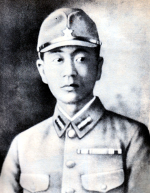
Shoichi Yokoi
Wikipedia

Guam
Wikipedia
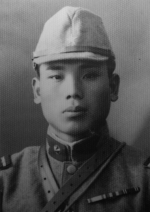
since the end of World War II
Wikipedia

Shoichi Yokoi
Wikipedia

Guam
Wikipedia

Japanese holdout
Wikipedia

Douglas MacArthur
Wikipedia

World War II
Wikipedia

Franklin D. Roosevelt
Wikipedia

Winston Churchill
Wikipedia

Casablanca Conference
Wikipedia

Allies of World War II
Wikipedia

Bangkok
Wikipedia

Thailand
Wikipedia

Japanese
Wikipedia

Declaration of war
Wikipedia

United States
Wikipedia

British
Wikipedia
1874
Wikipedia

Casablanca
Wikipedia

Morocco
Wikipedia

ربيع القاطي
Wikipedia

Theodosius Dobzhansky
Wikipedia

Génétique
Wikipedia

علم الأحياء التطوري
Wikipedia

Ukraine
Wikipedia

Nobel Prize in Literature
Wikipedia

1953
Wikipedia
What Else Happened on January 24

Praetorian officers and senators slit Emperor Caligula's throat in a desperate bid to restore the Republic, yet their plot backfired immediately when the Guard …
The Praetorian Guard found Claudius hiding behind a curtain, trembling and expecting death. But instead of killing him, they declared him emperor—a man previous…

Stabbed repeatedly in a palace corridor, Caligula never saw it coming. His own Praetorian Guards—the elite soldiers meant to protect him—turned executioners aft…
en Egipto ―poco después del establecimiento del califato fatimí en la ciudad de Ifriquía (Túnez) en 909― empieza la primera invasión fatimí.
The Fatimids didn't just want Egypt. They wanted everything. Led by Ubayd Allah al-Mahdi, these North African Ismaili Shi'a Muslims launched a massive naval inv…
début de la querelle des Investitures.
Talk to History
Have a conversation with historical figures who witnessed this era. Ask questions, explore perspectives, and bring history to life.