

New Zealand Women Win the Vote: First Country for Universal Suffrage
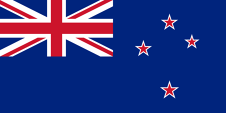
New Zealand women didn't just win the right to vote in 1893 — they'd been fighting for it for nearly two decades, led by Kate Sheppard, who collected petition signatures across the country in an era before phones or cars. The final petition delivered to Parliament had 32,000 signatures. Governor Lord Glasgow signed the Electoral Act into law on September 19. New Zealand was the first self-governing country in the world to grant women the vote. Women wouldn't be allowed to stand for Parliament there for another 26 years.
September 19, 1893
133 years ago
Key Figures & Places


What Else Happened on September 19
The Roman Senate declared Nerva emperor immediately following Domitian’s assassination, ending the Flavian dynasty’s autocratic grip on power. By ordering the d…
Constantine I elevated his nephew Flavius Dalmatius to the rank of Caesar, granting him administrative control over Thrace, Macedonia, and Achaea. This promotio…
en Bizancio (Turquía) Dalmacio se hace con el título de César.
Khalid ibn al-Walid captured Damascus from the Byzantine Empire after a six-month siege, claiming one of the ancient world's wealthiest cities for the expanding…
Lübeck erhält durch das Barbarossa-Privileg von Kaiser Friedrich I. eine Garantie seiner Rechte und seines Landgebietes.
Edward the Black Prince had around 8,000 men and was trying to retreat when the French king John II decided to charge instead of wait. The English longbowmen sh…
Talk to History
Have a conversation with historical figures who witnessed this era. Ask questions, explore perspectives, and bring history to life.