CIA Ousts Allende: Pinochet's Dictatorship Rises
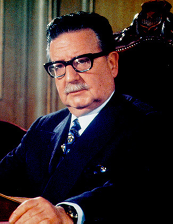
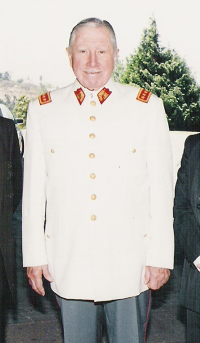
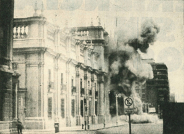
Salvador Allende, the world’s first democratically elected Marxist head of state, died inside the burning presidential palace of La Moneda as fighter jets strafed the building and tanks rolled through the streets of Santiago. The military coup that toppled Chile’s government on September 11, 1973, installed General Augusto Pinochet at the head of a junta that would rule for seventeen years and leave thousands dead or disappeared. Allende had won the presidency in 1970 on a platform of nationalizing copper mines, redistributing land, and expanding social programs. His reforms alarmed Chile’s conservative establishment, the Nixon administration, and multinational corporations with assets in the country. The CIA funneled millions of dollars into destabilization efforts, financing opposition media, backing strikes by truckers and shopkeepers, and cultivating contacts within the Chilean military. By September 1973, hyperinflation and political paralysis had fractured Chilean society. Military commanders moved at dawn, seizing communications networks and ordering Allende to resign. He refused, broadcasting a final radio address to the nation before the air force bombed La Moneda. Whether Allende died by his own hand or was killed remains debated, though the official finding is suicide. Pinochet dissolved Congress, banned political parties, and launched Operation Condor, a multinational campaign of political repression coordinated with neighboring dictatorships. At least 3,200 people were executed or forcibly disappeared, and tens of thousands were tortured in detention centers like the National Stadium. Chile did not return to democratic governance until 1990, and the scars of that era continue to shape the country’s politics and national identity.
September 11, 1973
53 years ago
Key Figures & Places

What Else Happened on September 11
Three Roman legions marched into the Teutoburg Forest and never came out. Germanic warriors under Arminius ambushed and annihilated an entire army of 20,000 men…
Three Roman legions — roughly 20,000 soldiers — walked into the Teutoburg Forest and didn't walk out. Germanic chieftain Arminius had served in the Roman army, …
Bishops of Visigothic Gaul gathered at the Council of Agde to codify forty-seven canons governing church discipline and clerical conduct. By standardizing rules…
A desperate act of self-defense in the streets of Constantinople toppled an emperor and installed his would-be victim on the Byzantine throne. On September 11, …
Before 1226, the Eucharist was kept in locked tabernacles — venerated privately, not displayed publicly in parishes. King Louis VIII of France requested the pra…
A powerful earthquake struck southern Great Britain, leveling the original St. Michael’s Church atop Glastonbury Tor and claiming multiple lives. The collapse f…
Talk to History
Have a conversation with historical figures who witnessed this era. Ask questions, explore perspectives, and bring history to life.