

Charles XII Stops at Smolensk: Sweden's March on Moscow Ends
Charles XII of Sweden halts his advance on Moscow at Smolensk, a decision that leaves his exhausted army vulnerable to defeat at the Battle of Poltava just nine months later. This strategic blunder shatters the Swedish Empire's dominance and forces it to relinquish its status as a major European power.
September 11, 1708
318 years ago
Key Figures & Places
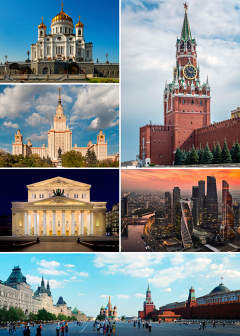
Moscow
Wikipedia
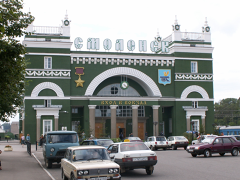
Smolensk
Wikipedia
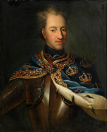
Charles XII of Sweden
Wikipedia
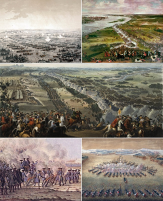
Great Northern War
Wikipedia
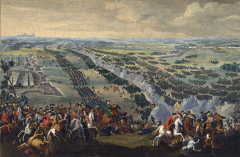
Battle of Poltava
Wikipedia
Swedish empire
Wikipedia

major power
Wikipedia

Charles XII of Sweden
Wikipedia

Smolensk
Wikipedia

Great Northern War
Wikipedia
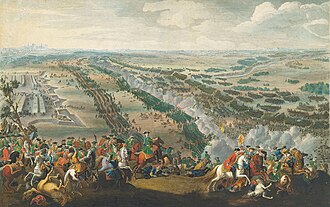
Battle of Poltava
Wikipedia

Swedish Empire
Wikipedia

Great power
Wikipedia

Moscow
Wikipedia
What Else Happened on September 11
Three Roman legions — roughly 20,000 soldiers — walked into the Teutoburg Forest and didn't walk out. Germanic chieftain Arminius had served in the Roman army, …
Three Roman legions vanish into the Germanic woods, shattering Augustus's dream of a unified empire east of the Rhine. This catastrophic defeat compels Rome to …
Der Koptische Kalender hat die Machtübernahme Diokletians als Bezugspunkt (gregorianisch).
Bishops of Visigothic Gaul gathered at the Council of Agde to codify forty-seven canons governing church discipline and clerical conduct. By standardizing rules…
en Aquisgrán, Luis el Piadoso es coronado rey.
en Francia, Guillermo I de Aquitania funda la abadía de Cluný.
Talk to History
Have a conversation with historical figures who witnessed this era. Ask questions, explore perspectives, and bring history to life.