

Cromwell Massacres Drogheda: 3,500 Killed After Siege
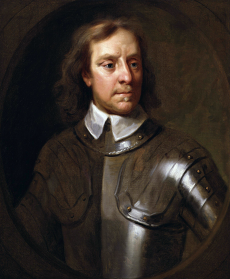
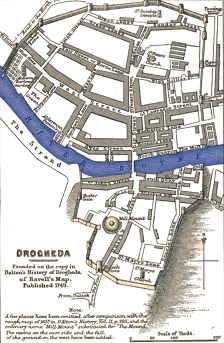
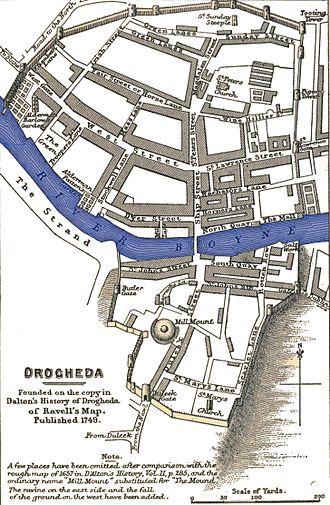
Oliver Cromwell offered the garrison of Drogheda terms of surrender on September 10, 1649. When the Royalist commander Sir Arthur Aston refused, Cromwell made good on his promise that mercy would not follow defiance. The next day, Parliamentarian forces stormed the walls and massacred roughly 3,500 people, including soldiers, priests, and civilians who had sheltered in the town’s churches. The siege was part of Cromwell’s campaign to reconquer Ireland, which had been in revolt since the Catholic uprising of 1641. England’s Civil War had prevented a decisive response for years, but with Charles I executed and the Commonwealth established, Cromwell landed at Dublin in August 1649 with 12,000 battle-hardened troops and a mandate to bring Ireland to heel. Drogheda, a walled port town on the River Boyne north of Dublin, was garrisoned by a mixed force of English Royalists and Irish Confederates under Aston. Cromwell’s artillery breached the southern wall after two days of bombardment. The first two assaults were repulsed with heavy casualties, but the third wave poured through the breach. What followed was systematic killing. Cromwell’s own dispatches describe ordering the execution of all men bearing arms, and eyewitness accounts record soldiers being burned alive in St. Peter’s Church where they had taken refuge. Cromwell justified the slaughter as divine retribution for the 1641 massacres of Protestants and as a measure calculated to prevent further resistance. The strategy worked in military terms: Wexford fell weeks later under similarly brutal conditions, and other garrisons surrendered rather than face the same fate. But in Irish historical memory, Drogheda became the defining symbol of Cromwellian brutality, a wound that fed centuries of sectarian grievance and resistance to English rule.
September 11, 1649
377 years ago
Key Figures & Places




What Else Happened on September 11
Three Roman legions marched into the Teutoburg Forest and never came out. Germanic warriors under Arminius ambushed and annihilated an entire army of 20,000 men…
Three Roman legions — roughly 20,000 soldiers — walked into the Teutoburg Forest and didn't walk out. Germanic chieftain Arminius had served in the Roman army, …
Bishops of Visigothic Gaul gathered at the Council of Agde to codify forty-seven canons governing church discipline and clerical conduct. By standardizing rules…

A desperate act of self-defense in the streets of Constantinople toppled an emperor and installed his would-be victim on the Byzantine throne. On September 11, …
Before 1226, the Eucharist was kept in locked tabernacles — venerated privately, not displayed publicly in parishes. King Louis VIII of France requested the pra…
A powerful earthquake struck southern Great Britain, leveling the original St. Michael’s Church atop Glastonbury Tor and claiming multiple lives. The collapse f…
Talk to History
Have a conversation with historical figures who witnessed this era. Ask questions, explore perspectives, and bring history to life.