

Battle of Stirling Bridge: Wallace and Moray Crush the English
William Wallace and Andrew Moray exploited a narrow bridge crossing to annihilate a larger English force, drowning and slaughtering thousands of soldiers as they funneled across the River Forth. The decisive victory shattered the myth of English military invincibility in Scotland and transformed Wallace into the symbol of Scottish resistance for generations.
September 11, 1297
729 years ago
Key Figures & Places

England
Wikipedia
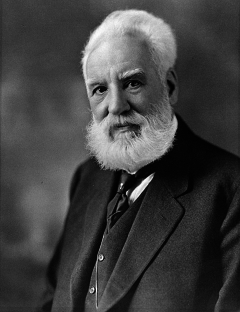
Scottish people
Wikipedia
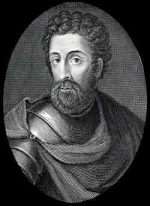
William Wallace
Wikipedia
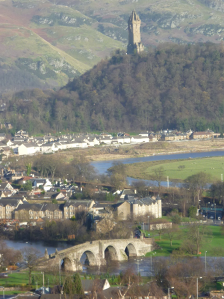
Battle of Stirling Bridge
Wikipedia
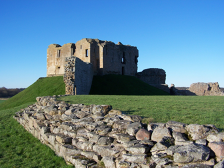
Andrew Moray
Wikipedia

Battle of Stirling Bridge
Wikipedia

William Wallace
Wikipedia
Andrew Moray
Wikipedia
Scotland
Wikipedia

Parliament
Wikipedia
England
Wikipedia
Braveheart
Wikipedia

Mel Gibson
Wikipedia

English Channel
Wikipedia

France
Wikipedia

Henri Queuille
Wikipedia

British
Wikipedia

World War II
Wikipedia

Autogyro
Wikipedia

Helicopter
Wikipedia

Piedmont
Wikipedia

Wars of Scottish Independence
Wikipedia

Histoire de l'Écosse
Wikipedia

Scottish Parliament
Wikipedia

Beirut, Lebanon
Wikipedia

Muhammad Ali of Egypt
Wikipedia

Syria
Wikipedia
What Else Happened on September 11
Three Roman legions — roughly 20,000 soldiers — walked into the Teutoburg Forest and didn't walk out. Germanic chieftain Arminius had served in the Roman army, …
Three Roman legions vanish into the Germanic woods, shattering Augustus's dream of a unified empire east of the Rhine. This catastrophic defeat compels Rome to …
Der Koptische Kalender hat die Machtübernahme Diokletians als Bezugspunkt (gregorianisch).
Bishops of Visigothic Gaul gathered at the Council of Agde to codify forty-seven canons governing church discipline and clerical conduct. By standardizing rules…
en Aquisgrán, Luis el Piadoso es coronado rey.
en Francia, Guillermo I de Aquitania funda la abadía de Cluný.
Talk to History
Have a conversation with historical figures who witnessed this era. Ask questions, explore perspectives, and bring history to life.