

Russia Defeats Mongols at Kulikovo: Yoke Weakens
Grand Prince Dmitry Donskoy crossed the Don River with roughly 60,000 men — deliberately burning the bridges behind them, removing any option to retreat. The Mongol-Tatar force under Mamai met them on a field called Kulikovo. The Russians won, though at enormous cost. It wasn't the end of Mongol rule — Moscow would still pay tribute for another century — but it was the first time a Russian force had beaten them in open battle, and everyone noticed.
September 8, 1380
646 years ago
Key Figures & Places
Russia
Wikipedia
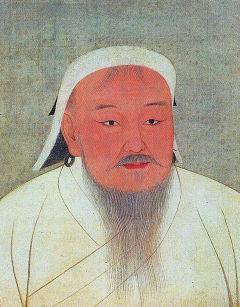
Mongol
Wikipedia
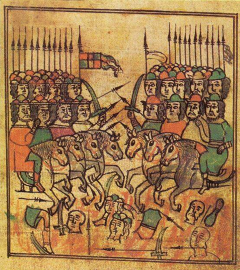
Battle of Kulikovo
Wikipedia
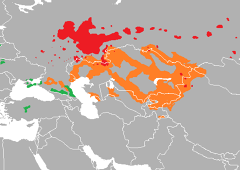
Tatars
Wikipedia

Battle of Kulikovo
Wikipedia

Tula (Rusia)
Wikipedia

Moscow
Wikipedia
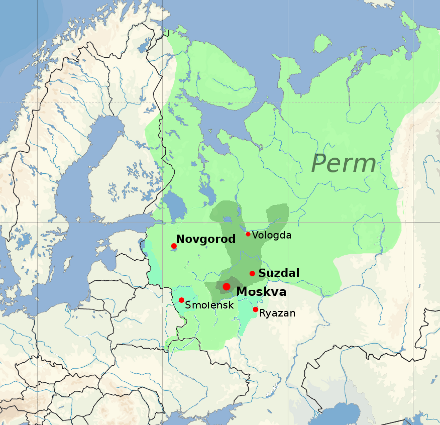
Muscovy
Wikipedia

Golden Horde
Wikipedia

1999 Russian apartment bombings
Wikipedia

Cavalry
Wikipedia
Grand prince
Wikipedia

Dmitry Donskoy
Wikipedia

Mongols
Wikipedia
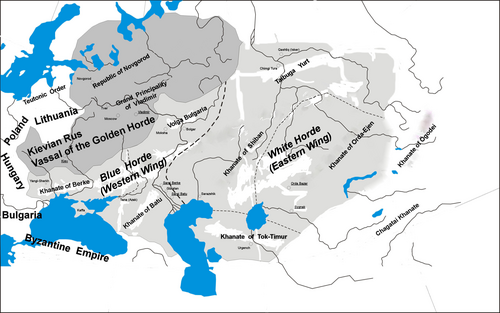
Blue Horde
Wikipedia

Mamai
Wikipedia

Russians
Wikipedia

Tártaros
Wikipedia

Asie centrale
Wikipedia
What Else Happened on September 8
Roman legions under Titus breached the walls of Jerusalem, systematically dismantling the Second Temple and ending the Great Jewish Revolt. This destruction for…
Roman forces under Titus storm Jerusalem after seizing Herod's Palace, looting the Temple and burning the city to the ground. This destruction ends the Second T…
Li Yuan didn't want to rebel. His daughter Li Pingyang did. She raised her own army — reportedly 70,000 soldiers — while her father stalled, and her brother Li …
Antipope Theodoric's papacy lasted almost no time at all. Elected by a faction opposing the legitimate pope Paschal II in 1100, he held the title for only a few…
Philip of Swabia was crowned inside the Cathedral of Mainz by a single bishop in September 1198 — not in the traditional location, not with the traditional crow…
Pope Innocent IV canonized Stanisław of Szczepanów, the Bishop of Kraków who died at the hands of King Bolesław II. This formal recognition transformed a martyr…
Talk to History
Have a conversation with historical figures who witnessed this era. Ask questions, explore perspectives, and bring history to life.