

First F1 Champion Crowned: Farina Wins at Monza
Giuseppe Farina crossed the finish line in Monza and became the first Formula One world champion — but the math that got him there was brutal. He'd won the title by accumulating points across six races in a season where drivers could count only their four best results. He beat Juan Manuel Fangio by three points. Farina was 44 years old. The sport didn't know yet what its own records would mean.
September 3, 1950
76 years ago
Key Figures & Places
List of Formula One World Drivers' Champions
Wikipedia
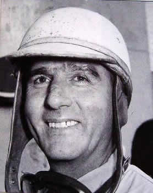
Giuseppe Farina
Wikipedia
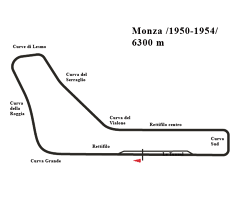
1950 Italian Grand Prix
Wikipedia

Giuseppe Farina
Wikipedia

List of Formula One World Drivers' Champions
Wikipedia

1950 Italian Grand Prix
Wikipedia

Großer Preis von Italien
Wikipedia

Autodromo Nazionale di Monza
Wikipedia

Temporada 1950 de Fórmula 1
Wikipedia
Formula One
Wikipedia
What Else Happened on September 3
en Cunaxa (aldea a unos 70 km al norte de Babilonia) sucede la batalla de Cunaxa entre Artajerjes II y el príncipe Ciro el Joven.
Agrippa's fleet destroyed Sextus Pompeius's armada at Naulochus off the coast of Sicily, sinking or capturing nearly all 300 enemy ships in a single afternoon. …
en México se escriben los primeros documentos de América en estelas de época olmeca tardía (Ver Tres Zapotes).

Saint Marinus established a refuge on Mount Titano that evolved into the world's oldest surviving republic. This tiny enclave survived centuries of shifting emp…
Gregory didn't want the job. He'd been living as a monk, and when the previous pope died of plague, Gregory tried to flee Rome to avoid being chosen. He was cau…
Visigothic King Wamba marched his army into southern Gaul and crushed the rebellion of Hilderic, the governor of Nimes who had seized power with local support. …
Talk to History
Have a conversation with historical figures who witnessed this era. Ask questions, explore perspectives, and bring history to life.