

Kellogg-Briand Pact Signed: 15 Nations Outlaw War (It Won't Work)
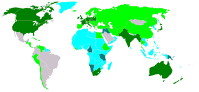
Fifteen nations signed the Kellogg-Briand Pact, renouncing war as an instrument of national policy in an idealistic attempt to prevent another global conflict. The treaty ultimately failed to stop World War II, but its legal framework survived and became the basis for prosecuting crimes against peace at the Nuremberg Trials.
August 27, 1928
98 years ago
Key Figures & Places


What Else Happened on August 27

The Persians had invaded Greece twice before Plataea. At Marathon, Athens stopped them alone. At Thermopylae, a small Spartan force held long enough for the fle…
en el marco de la segunda guerra médica (480-479 a. C.) la liga Helénica obtiene una victoria definitiva frente a Jerjes I, en las batallas de Platea y de Mícal…
The combined Tang Chinese and Silla Korean fleets crushed the Baekje-Japanese alliance on the Geum River, destroying over 400 ships and ending Japan's first att…
المأمون ابن هارون الرشيد يتولى الخلافة في الدولة العباسية بعد مقتل أخيه الأمين.
In der dritten Schlacht von Ramla unterliegt eine Streitmacht der Fatimiden wie in den beiden Kämpfen zuvor dem Heer des Königreichs Jerusalem unter Balduin I. …
Ramiro II promete mediante documento firmado en el castillo de Ayerbe, que no hará ninguna donación sin permiso de su yerno Ramón, conde de Barcelona.
Talk to History
Have a conversation with historical figures who witnessed this era. Ask questions, explore perspectives, and bring history to life.