Visigoths Sack Rome: Empire Crumbles After 800 Years
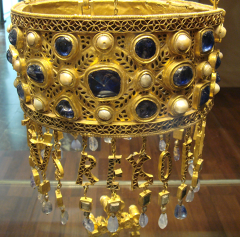
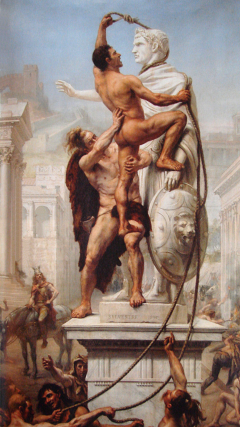
Alaric I and his Visigoth army breached the Salarian Gate of Rome on August 24, 410 AD, and for three days the city that had ruled the Western world for centuries was plundered by Germanic warriors. By the time the sacking ended on August 27, the psychological foundation of the Roman Empire had been shattered. Rome had not fallen to a foreign enemy in nearly 800 years, and the shock reverberated across the Mediterranean world. The sack was the culmination of decades of crisis. Alaric, king of the Visigoths, had been alternately fighting for and against the Roman Empire since the 390s. His people had been Roman allies, or foederati, but were repeatedly denied the land, provisions, and recognition they had been promised. Alaric invaded Italy in 401 and was repelled. He returned in 408 after the Western Roman government, now based in Ravenna rather than Rome, murdered the families of thousands of Gothic soldiers serving in the Roman army. Tens of thousands of these soldiers defected to Alaric. He besieged Rome twice, extracting enormous ransoms of gold, silver, silk, and pepper, before losing patience with the imperial court's broken promises. The third siege succeeded when enslaved people inside the city, many of them Germanic, opened the Salarian Gate during the night. Alaric's forces looted systematically but with some restraint by ancient standards. Churches were generally respected as places of sanctuary, and there was no wholesale massacre. Wealthy Romans were robbed and some were killed, buildings were burned, and enormous quantities of treasure were carried away. The Visigoths took the emperor's sister, Galla Placidia, as a hostage. She would later marry Alaric's successor and become one of the most powerful women in the late Roman Empire. The impact was more psychological than strategic. Rome had not been the political capital for over a century, and the city's population had already shrunk from its imperial peak of roughly one million. But Rome remained the symbolic heart of civilization for both pagans and Christians. Saint Jerome, writing from Bethlehem, lamented: "The city which had taken the whole world was itself taken." Saint Augustine wrote The City of God partly in response to pagan claims that Rome fell because it had abandoned its old gods. The empire lingered for another 66 years, but the aura of invincibility that had sustained it was gone.
August 27, 410
1616 years ago
Key Figures & Places
What Else Happened on August 27
The Persians had invaded Greece twice before Plataea. At Marathon, Athens stopped them alone. At Thermopylae, a small Spartan force held long enough for the fle…
The combined Tang Chinese and Silla Korean fleets crushed the Baekje-Japanese alliance on the Geum River, destroying over 400 ships and ending Japan's first att…
Henry the Young King and Margaret of France were crowned in a lavish ceremony at Winchester Cathedral, an attempt by Henry II to secure the succession by crowni…
The Formulary of Adjudications — Goseibai Shikimoku — was a 51-article legal code issued by Hojo Yasutoki in 1232, the first comprehensive written law for Japan…
Shikken Hojo Yasutoki promulgated the Goseibai Shikimoku on August 27, 1232, establishing Japan's first written legal code designed specifically for the samurai…
Allied Aragonese and Venetian fleets crushed the Genoese navy at the Battle of Alghero in 1353, capturing most of Genoa's warships in a single devastating engag…
Talk to History
Have a conversation with historical figures who witnessed this era. Ask questions, explore perspectives, and bring history to life.