Krakatoa Erupts: Explosion Heard 3,000 Miles Away
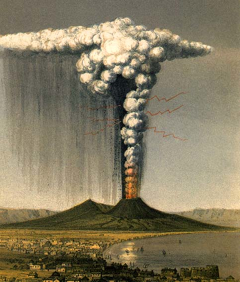
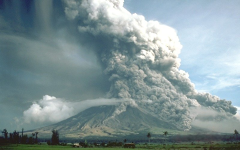
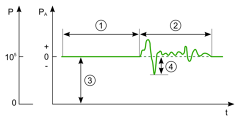
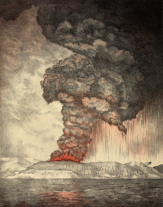
Four explosions ripped through the volcanic island of Krakatoa on August 27, 1883, the last of them producing the loudest sound in recorded human history. The detonation at 10:02 AM local time was heard 3,110 kilometers away in Perth, Australia, and on the island of Rodrigues near Mauritius, 4,800 kilometers across the Indian Ocean, where residents mistook it for cannon fire from a nearby ship. The eruption killed more than 36,000 people and altered global weather for years. Krakatoa, located in the Sunda Strait between Java and Sumatra, had been erupting intermittently since May 1883, sending ash columns into the sky and generating loud explosions audible in distant cities. Local shipping continued through the strait despite the activity. On August 26, the eruption intensified dramatically. By the morning of August 27, the volcano entered its catastrophic phase. The first explosion at 5:30 AM triggered a tsunami that struck the town of Telok Betong. The second, at 6:44 AM, sent waves east and west. The third and most powerful blast ejected an estimated 25 cubic kilometers of rock and ash, releasing energy equivalent to 200 megatons of TNT, roughly four times the yield of the largest nuclear weapon ever detonated. The final explosion at 10:41 AM collapsed half of Rakata volcano into the sea, generating tsunamis exceeding 30 meters that swept away entire coastal towns on Java and Sumatra. The town of Merak was destroyed by a wave that carried a steamship nearly a mile inland. Pyroclastic flows raced across the surface of the ocean, reaching the Sumatran coast and killing thousands who had believed the water would protect them. The pressure wave circled the Earth seven times, registering on barographs worldwide for five days. Ash propelled 80 kilometers into the atmosphere spread across the globe, producing vivid red sunsets for months. Global temperatures dropped by an estimated 1.2 degrees Celsius and did not return to normal for five years. The eruption destroyed two-thirds of the island, but volcanic activity continued. In 1927, a new island, Anak Krakatau (Child of Krakatoa), emerged from the caldera and has been growing and erupting ever since, a reminder that the forces beneath the Sunda Strait are far from spent.
August 27, 1883
143 years ago
Key Figures & Places
What Else Happened on August 27
The Persians had invaded Greece twice before Plataea. At Marathon, Athens stopped them alone. At Thermopylae, a small Spartan force held long enough for the fle…
Alaric I and his Visigoth army breached the Salarian Gate of Rome on August 24, 410 AD, and for three days the city that had ruled the Western world for centuri…
The combined Tang Chinese and Silla Korean fleets crushed the Baekje-Japanese alliance on the Geum River, destroying over 400 ships and ending Japan's first att…
Henry the Young King and Margaret of France were crowned in a lavish ceremony at Winchester Cathedral, an attempt by Henry II to secure the succession by crowni…
The Formulary of Adjudications — Goseibai Shikimoku — was a 51-article legal code issued by Hojo Yasutoki in 1232, the first comprehensive written law for Japan…
Shikken Hojo Yasutoki promulgated the Goseibai Shikimoku on August 27, 1232, establishing Japan's first written legal code designed specifically for the samurai…
Talk to History
Have a conversation with historical figures who witnessed this era. Ask questions, explore perspectives, and bring history to life.