Soviet Tanks Crush Prague: Czechoslovakia Occupied
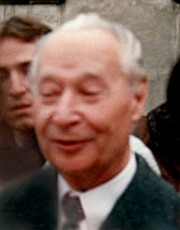
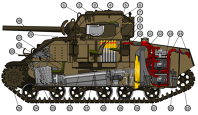
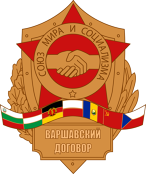
At 11 PM on August 20, 1968, 200,000 Warsaw Pact troops and 5,000 tanks crossed the borders of Czechoslovakia from four directions. Soviet, Polish, Hungarian, Bulgarian, and East German forces rolled into Prague and other major cities to crush the reforms of the Prague Spring, an eight-month experiment in "socialism with a human face" that had terrified the Kremlin. By morning, Czechoslovakia was under military occupation, and the most promising reform movement in the Soviet bloc had been strangled. The Prague Spring began in January 1968 when Alexander Dubcek replaced the hardline Antonin Novotny as First Secretary of the Communist Party of Czechoslovakia. Dubcek, a Slovak communist who believed socialism could coexist with civil liberties, introduced sweeping reforms: censorship was abolished, political prisoners were released, travel restrictions were eased, and the press exploded with previously forbidden debate. The reforms were wildly popular in Czechoslovakia and deeply alarming to Moscow and its conservative allies. Soviet leader Leonid Brezhnev spent months trying to pressure Dubcek into reversing course. Meetings in July and early August produced promises of restraint from Dubcek but no substantive retreat. Brezhnev concluded that the Czechoslovak reform movement, if allowed to continue, would spread to other Soviet satellite states and ultimately threaten Soviet control of Eastern Europe. On August 18, the Politburo gave the final order for invasion. The Czechoslovak army was ordered not to resist, avoiding a bloodbath but ensuring that the outcome was never in doubt. Dubcek and other reformist leaders were arrested, flown to Moscow, and coerced into signing the Moscow Protocol, which authorized the "temporary" stationing of Soviet troops on Czechoslovak soil. The troops remained for 23 years. Approximately 137 Czechoslovaks were killed during the invasion and its immediate aftermath. Brezhnev formulated what became known as the Brezhnev Doctrine: no socialist state would be permitted to leave the Soviet sphere. The doctrine held until Mikhail Gorbachev repudiated it in 1989, and Czechoslovakia's Velvet Revolution finally completed what Dubcek had started.
August 20, 1968
58 years ago
Key Figures & Places
What Else Happened on August 20
Agrippa Postumus, the last surviving grandson of Augustus and his adopted son, was executed by his guards while in exile on the island of Planasia within days o…
Six days of fighting on the plains east of the Sea of Galilee in August 636 ended the Byzantine Empire's 600-year hold on Syria and Palestine and opened the Mid…
Tsar Simeon I crushed the Byzantine army at the Battle of Acheloos, ending the empire's dominance in the Balkans. This victory forced Constantinople to recogniz…
Stephen I received his crown from Pope Sylvester II on Christmas Day 1000 (or possibly January 1, 1001), but Hungary commemorates August 20 as its founding date…
Pope Gregory VII canonized King Stephen I and his son Emeric, formalizing the Christian identity of the Hungarian state. By elevating the Arpad dynasty to saint…
Pope Gregory VII canonized Hungary's first king, Stephen I, and his son Prince Emeric on August 20, 1083, elevating them from royal founders to spiritual patron…
Talk to History
Have a conversation with historical figures who witnessed this era. Ask questions, explore perspectives, and bring history to life.