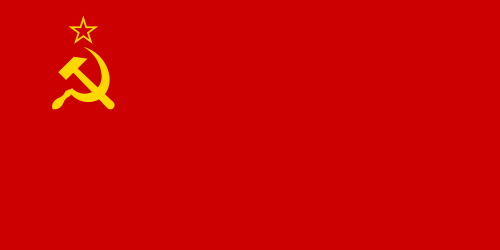
Trotsky Assassinated: Stalin's Rival Dies in Mexico
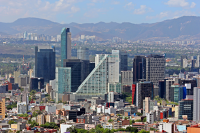
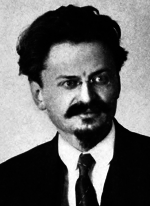
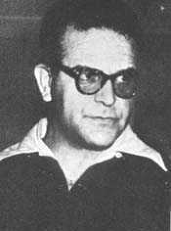
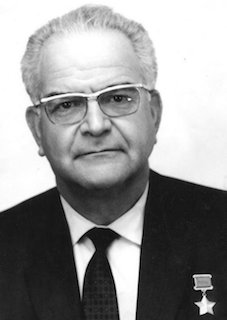
Ramon Mercader drove an ice axe into the back of Leon Trotsky's skull in a study in Coyoacan, Mexico City, on August 20, 1940. Trotsky, 60 years old and living in fortified exile, had been seated at his desk reviewing a manuscript that Mercader had asked him to critique. The blow did not kill him immediately. Trotsky fought back, biting Mercader's hand and struggling with his assassin before guards rushed in. He died the following day in a Mexican hospital. Stalin's most dangerous rival had finally been eliminated. Trotsky had been second only to Lenin in the Bolshevik Revolution of 1917, commanding the Red Army during the Russian Civil War and serving as a principal architect of the Soviet state. After Lenin's death in 1924, Trotsky lost the power struggle with Stalin and was progressively stripped of his positions, expelled from the Communist Party in 1927, and exiled from the Soviet Union in 1929. From abroad, he continued to write, organize, and denounce Stalin's regime as a betrayal of the revolution. Stalin's response was systematic extermination. During the Great Purge of 1936-1938, virtually every surviving Old Bolshevik who had been associated with Trotsky was executed or sent to die in the Gulag. Trotsky's children were targeted: one son died under suspicious circumstances in Paris, another perished in a labor camp. In May 1940, a group of Stalinist agents led by the painter David Alfaro Siqueiros machine-gunned Trotsky's bedroom in Coyoacan. He survived only because he and his wife had rolled under the bed. Mercader, a Spanish communist who had been recruited and trained by the NKVD, Stalin's secret police, spent months cultivating access to Trotsky's household by posing as a sympathetic Belgian businessman. After the assassination, he was beaten nearly to death by Trotsky's guards and served 20 years in a Mexican prison. Upon release, he moved to Cuba and then the Soviet Union, where he received the Hero of the Soviet Union medal. Trotsky's murder eliminated the last credible alternative to Stalinist orthodoxy within the communist movement and ensured that the Fourth International he had founded would remain a marginal force in global politics.
August 20, 1940
86 years ago
Key Figures & Places

What Else Happened on August 20
Agrippa Postumus, the last surviving grandson of Augustus and his adopted son, was executed by his guards while in exile on the island of Planasia within days o…
Six days of fighting on the plains east of the Sea of Galilee in August 636 ended the Byzantine Empire's 600-year hold on Syria and Palestine and opened the Mid…
Tsar Simeon I crushed the Byzantine army at the Battle of Acheloos, ending the empire's dominance in the Balkans. This victory forced Constantinople to recogniz…
Stephen I received his crown from Pope Sylvester II on Christmas Day 1000 (or possibly January 1, 1001), but Hungary commemorates August 20 as its founding date…
Pope Gregory VII canonized King Stephen I and his son Emeric, formalizing the Christian identity of the Hungarian state. By elevating the Arpad dynasty to saint…
Pope Gregory VII canonized Hungary's first king, Stephen I, and his son Prince Emeric on August 20, 1083, elevating them from royal founders to spiritual patron…
Talk to History
Have a conversation with historical figures who witnessed this era. Ask questions, explore perspectives, and bring history to life.