

Belgium's Red Leader Shot: Post-War Assassination
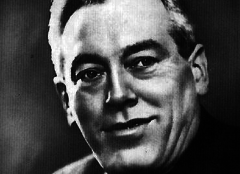
Two gunmen rang the doorbell of Julien Lahaut's home in Seraing, near Liege, Belgium, on the evening of August 18, 1950, and shot the chairman of the Communist Party of Belgium dead on his doorstep. The assassination came just days after Lahaut had allegedly shouted "Long live the Republic!" during the swearing-in of King Baudouin, a provocation that humiliated the monarchy in a country already bitterly divided over the return of the royal family. Belgium's Royal Question had consumed the nation since the end of World War II. King Leopold III had surrendered to the Germans in 1940 and remained in Belgium during the occupation, a decision that much of the population, particularly Walloons and the political left, viewed as collaboration. His brother, Prince Charles, served as regent until a 1950 referendum narrowly approved Leopold's return, with 57 percent in favor. But the result masked deep regional and political divisions: Flanders voted overwhelmingly for Leopold, while Wallonia and Brussels voted against. Leopold's return on July 22, 1950, triggered massive strikes and protests, particularly in the industrial regions of Wallonia and in Liege. On July 30, gendarmes fired on demonstrators in Liege, killing four workers. The country appeared to be on the brink of civil war. Leopold agreed to abdicate in favor of his son Baudouin, who was sworn in on August 11. Lahaut's outburst during the ceremony enraged royalists and right-wing nationalists who already despised him as the most prominent communist in Belgium. The killers were never officially identified during the formal investigation, which was widely criticized as deliberately obstructed by state security services. Decades later, historians and journalists established connections between the assassins and far-right Flemish nationalist circles with ties to wartime collaborationist movements. A 2015 parliamentary investigation confirmed that elements within the Belgian security apparatus had prior knowledge of the plot. Lahaut's murder remains one of the most significant unsolved political assassinations in Western European postwar history, a cold case that exposed the unresolved tensions between left and right, resistance and collaboration, that the war had left behind.
August 18, 1950
76 years ago
Key Figures & Places


What Else Happened on August 18
Rome dedicates its first known temple to Venus, establishing the festival of Vinalia Rustica — originally a wine harvest celebration tied to Jupiter that absorb…
Umayyad partisans defeated supporters of Ibn al-Zubayr at the Battle of Marj Rahit in 684 CE, cementing Umayyad control over Syria. The battle was fought betwee…
Princess Abe became Empress Genmei of Japan, the fourth woman to rule as sovereign in her own right. During her eight-year reign, she commissioned the Kojiki — …
Bishop Albert of Buxhoeveden founds Riga as a base for the Christianization of the Baltic peoples. The settlement grew rapidly into a major Hanseatic trading po…

The man who conquered more territory than any individual in human history died in August 1227, during the final campaign against the Western Xia kingdom in nort…
French knights and Flemish infantry fought to a bloody stalemate at Mons-en-Pévèle, exhausting both sides after a day of brutal combat. While the tactical draw …
Talk to History
Have a conversation with historical figures who witnessed this era. Ask questions, explore perspectives, and bring history to life.