

Genghis Khan Dies: The Empire That Conquered Half the World
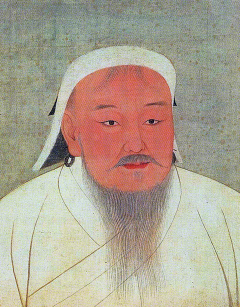
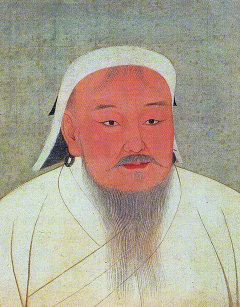
Genghis Khan died during the fall of Yinchuan in August 1227, leaving historians to debate whether illness, a hunting accident, or battle wounds ended his life. This sudden loss triggered an immediate, brutal effort by his funeral escort to kill everyone and anything across their path, ensuring his unmarked grave in Mongolia remains lost forever.
August 18, 1227
799 years ago
Key Figures & Places
What Else Happened on August 18
Rome dedicates its first known temple to Venus, establishing the festival of Vinalia Rustica — originally a wine harvest celebration tied to Jupiter that absorb…
en la villa de Roma (península itálica) se construye el primer templo a Venus conocido; comienza la institución de los festivales Vinalia Rústica.
Umayyad partisans defeated supporters of Ibn al-Zubayr at the Battle of Marj Rahit in 684 CE, cementing Umayyad control over Syria. The battle was fought betwee…
Princess Abe became Empress Genmei of Japan, the fourth woman to rule as sovereign in her own right. During her eight-year reign, she commissioned the Kojiki — …
le chef viking Hasting met la ville d’Orléans à sac.Les jeunes époux Henri III de Navarre (futur Henri IV) et Marguerite de France le 15 août 1572
Bishop Albert of Buxhoeveden founds Riga as a base for the Christianization of the Baltic peoples. The settlement grew rapidly into a major Hanseatic trading po…
Talk to History
Have a conversation with historical figures who witnessed this era. Ask questions, explore perspectives, and bring history to life.