Iran Hostages Freed: 444 Days of Crisis Ends
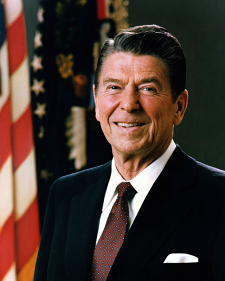
The timing was calibrated as a final insult. Iran released fifty-two American hostages on January 20, 1981, just minutes after Ronald Reagan completed his inaugural oath, ensuring that Jimmy Carter, who had spent the last fourteen months of his presidency consumed by the crisis, would receive no credit for their freedom. The 444-day hostage ordeal had destroyed a presidency, reshaped American foreign policy, and revealed the limits of superpower influence in the post-colonial world. The crisis began on November 4, 1979, when several hundred Iranian students stormed the United States Embassy in Tehran and seized sixty-six American diplomats and staff. The students were followers of Ayatollah Ruhollah Khomeini, whose Islamic Revolution had overthrown the American-backed Shah Mohammad Reza Pahlavi earlier that year. The immediate trigger was Carter's decision to admit the exiled Shah into the United States for cancer treatment, which Iranians viewed as a prelude to reinstalling him in power, as the CIA had done in 1953. Fourteen hostages were released in the first weeks, including women, African Americans, and one hostage who fell ill. The remaining fifty-two endured months of psychological torment, solitary confinement, and mock executions. The crisis dominated American television news. ABC's nightly program "America Held Hostage," anchored by Ted Koppel, evolved into the permanent late-night program Nightline. Yellow ribbons, inspired by the Tony Orlando song "Tie a Yellow Ribbon Round the Ole Oak Tree," appeared across the country. Carter's attempt at a military rescue ended in catastrophe. Operation Eagle Claw, launched on April 24, 1980, was aborted in the Iranian desert when a helicopter collided with a transport aircraft, killing eight American servicemen. The burned wreckage was displayed triumphantly in Tehran. Secretary of State Cyrus Vance, who had opposed the mission, resigned. Negotiations through Algerian intermediaries finally produced an agreement in the final days of Carter's presidency. Iran received the return of frozen assets totaling roughly $8 billion, and the United States agreed not to interfere in Iranian internal affairs. The hostages were flown to Algeria, then to a U.S. military hospital in Wiesbaden, Germany. The crisis fundamentally altered American engagement with the Middle East, fueled a militaristic turn in foreign policy under Reagan, and established hostage-taking as a tool of state-level coercion that would recur for decades.
January 20, 1981
45 years ago
Key Figures & Places
What Else Happened on January 20
Pope Fabian died under the sword during Emperor Decius’s systematic purge of Christians, becoming one of the first high-profile casualties of the Roman state’s …
Emperor Decius launched a systematic persecution of Christians across the Roman Empire beginning on January 20, 250, requiring every citizen to perform a sacrif…
King Chindasuinth crowned his son Recceswinth as co-ruler of the Visigothic Kingdom at the urging of Bishop Braulio of Zaragoza, securing a smooth dynastic succ…
Lalli, a Finnish peasant, struck down Bishop Henry on the frozen surface of Lake Köyliö after a dispute over food and hospitality. This act of violence transfor…
Simon de Montfort convened the first English parliament to include representatives from major towns alongside the traditional nobility at the Palace of Westmins…
Simon de Montfort, Earl of Leicester, summoned representatives to the Palace of Westminster on January 20, 1265, creating an assembly that for the first time in…
Talk to History
Have a conversation with historical figures who witnessed this era. Ask questions, explore perspectives, and bring history to life.