Allies Halt Germans at Marne: WWI's Turning Point
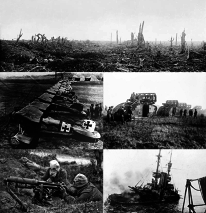
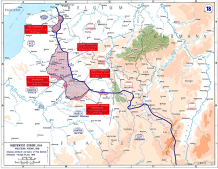
Erich Ludendorff threw fifty-two divisions across the Marne River on July 15, 1918, launching Germany's final offensive of World War I into a trap that the Allied high command had been preparing for weeks. The Second Battle of the Marne was the last time the German army held the strategic initiative on the Western Front. Within three days, the attack had stalled, and the Allied counteroffensive that followed on July 18 began the Hundred Days that ended the war. Germany had been racing against time since the spring of 1918. The collapse of Russia freed sixty divisions for the Western Front, giving Ludendorff a temporary numerical advantage before American troops arrived in overwhelming numbers. His Spring Offensives from March to June gained more ground than any Western Front campaign since 1914, pushing to within 56 miles of Paris. But each attack exhausted elite assault divisions without achieving a decisive breakthrough, and American troops were arriving at the rate of 300,000 per month. French intelligence, aided by aerial reconnaissance and prisoner interrogations, pinpointed the Marne attack days in advance. General Henri Pétain ordered his forward positions lightly held and concentrated his defense in depth on the reverse slopes behind the river. When the German bombardment fell on July 15, it struck largely empty trenches. East of Reims, the attack gained virtually nothing. West of the city, German forces crossed the Marne and established bridgeheads, but could not expand them against stiffening resistance that included fresh American divisions. The Allied counterstroke on July 18, led by General Charles Mangin with strong French and American forces supported by 350 tanks, struck the western flank of the German salient. The attack achieved complete surprise and advanced four miles on the first day. Ludendorff was forced to abandon his gains and retreat behind the Marne, losing 168,000 men and massive quantities of equipment. The psychological impact was devastating: German soldiers who had been told one more push would win the war understood that victory was now impossible. The Allies never relinquished the initiative again.
July 15, 1918
108 years ago
Key Figures & Places

What Else Happened on July 15
Rome dedicated the Temple of Castor and Pollux in the Forum to honor the divine twins who allegedly helped the Republic secure victory at the Battle of Lake Reg…
Titus and his Roman legions smashed through Jerusalem's breached walls, ending the city's desperate defense and sealing the fate of the Second Temple. This brut…
The Imperial Guards wouldn't march another step until she died. Yang Guifei, Emperor Xuanzong's beloved consort, was strangled by his chief eunuch on July 15, 7…
Three years of marching, starvation, plague, and slaughter across two continents ended on the walls of Jerusalem on July 15, 1099, when Crusader soldiers poured…
The Crusaders built their church directly over what they believed was Christ's tomb—while still fighting for control of the streets outside. Fifty years after c…
King John expelled the monks of Canterbury Cathedral after they backed Stephen Langton’s appointment as Archbishop against the King’s wishes. This confrontation…
Talk to History
Have a conversation with historical figures who witnessed this era. Ask questions, explore perspectives, and bring history to life.