

Rosetta Stone Found: The Key to Ancient Egypt's Language
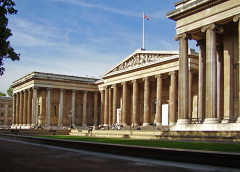
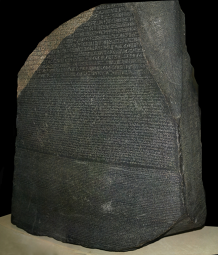
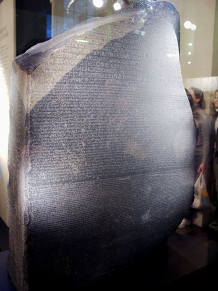
Soldier Pierre-François Bouchard unearthed a granodiorite stele embedded in Fort Julien's walls during the Napoleonic expedition, and its trilingual decree instantly unlocked the secrets of Egyptian hieroglyphs. Scholars across Europe rushed to decipher the text using the parallel Greek inscription, transforming a forgotten language into a readable history within decades. This breakthrough turned the stone into the British Museum's most-visited artifact, anchoring our modern understanding of ancient Egypt.
July 15, 1799
227 years ago
Key Figures & Places
What Else Happened on July 15
Rome dedicated the Temple of Castor and Pollux in the Forum to honor the divine twins who allegedly helped the Republic secure victory at the Battle of Lake Reg…
Titus and his Roman legions smashed through Jerusalem's breached walls, ending the city's desperate defense and sealing the fate of the Second Temple. This brut…
The Imperial Guards wouldn't march another step until she died. Yang Guifei, Emperor Xuanzong's beloved consort, was strangled by his chief eunuch on July 15, 7…

The elected king refused to wear a crown of gold where Christ wore thorns. Godfrey of Bouillon took Jerusalem on July 15, 1099, after a siege that left the stre…

Crusader soldiers stormed Jerusalem's walls and seized the Church of the Holy Sepulchre after a five-week siege, fulfilling the stated goal of the First Crusade…
The Crusaders built their church directly over what they believed was Christ's tomb—while still fighting for control of the streets outside. Fifty years after c…
Talk to History
Have a conversation with historical figures who witnessed this era. Ask questions, explore perspectives, and bring history to life.