

Lindbergh Baby Trial Begins: America's First Media Circus
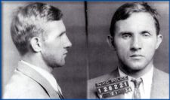
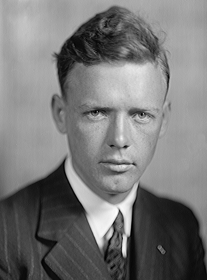
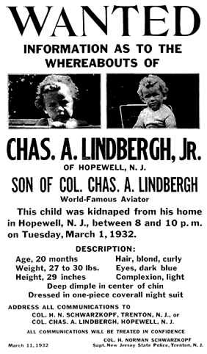
They called it the trial of the century. Bruno Hauptmann sat in a Flemington, New Jersey courtroom, charged with kidnapping and murdering the 20-month-old son of Charles Lindbergh — the most famous man in America. The baby had been taken from his crib on March 1, 1932. A ransom of $50,000 was paid. The child was found dead 72 days later, two miles from the family home. Hauptmann, a German-born carpenter, was caught spending marked ransom bills at a Bronx gas station. $14,600 more turned up hidden in his garage. He insisted he was innocent. His defense pointed to inconsistencies in the ladder evidence and witness testimony. Didn't matter. The jury deliberated eleven hours. Guilty. Hauptmann was electrocuted on April 3, 1936. The case created so much chaos that cameras were banned from federal courtrooms for decades afterward.
January 2, 1935
91 years ago
Key Figures & Places
What Else Happened on January 2
según una tradición cristiana la Virgen vino en carne mortal a Caesaraugusta (Zaragoza) a ver a Santiago cuando aún vivía en Jerusalén.
On January 2 of the Year of the Four Emperors, the Roman legions stationed in Germania Superior refused to swear their annual oath of loyalty to Emperor Galba. …
The Rhine froze solid in the winter of 366 AD. The Alemanni walked across. Thousands of Germanic warriors poured into Roman Gaul on a highway of ice, looting to…
Mercurius became Pope John II on January 2, 533, and set a precedent that has lasted nearly 1,500 years. He was the first pope to change his name upon election.…
Im Frieden von Perónne einigen sich der französische König Philipp II. und Graf Balduin IX. von Flandern über streitige Besitzansprüche im Artois.
Christian forces defeated an Ottoman Turkish army at the Battle of Kunovica in 1444, near modern-day Serbia. The victory was part of the larger Crusade of Varna…
Talk to History
Have a conversation with historical figures who witnessed this era. Ask questions, explore perspectives, and bring history to life.